


Team building: is it really effective?
Escape games, Olympics, cooking workshops: team building is a regular fixture in the press, from team sports to large-scale corporate events. But a question remains for managers and HR: is team building truly effective, or is it just a pleasant day out that is quickly forgotten?
In short: Yes, team building is effective if it is well-designed. The meta-analysis by Klein et al., published in 2009 in the journal Small Group Research, shows a moderate positive effect on teams, with a stronger impact on relationships and collective functioning than on quantitative performance. A clear objective, cooperative activities, and time for discussion after the activity make all the difference.
In this article, Domaines & événements reviews what the studies say, the mistakes to avoid, and the conditions for a successful team-building event.

Is team building really effective?
Yes: according to research, team building improves team functioning, with a moderate positive effect. The most cited reference is the meta-analysis "Does Team Building Work?" published in 2009 in Small Group Research by Cameron Klein, Eduardo Salas, and their colleagues, based on 60 correlations from empirical studies.
Its conclusions are nuanced. Team building primarily impacts "affective" outcomes (trust, cohesion, satisfaction) and processes (communication, coordination). Its effect on quantitative performance exists, but it is weaker.
Which components of team building work best?
Researchers have studied four components of team building:
- Goal setting : defining together where the team wants to go.
- Interpersonal relationships : getting to know each other better and strengthening trust.
- Problem solving : learning how to find solutions together.
- Role clarification : understanding who does what, and why.
Effective team building is therefore not just about entertainment: it connects the activity to how the team works on a daily basis.
Why is team building back at the heart of companies in 2026?
Team building is making a comeback because employee engagement is at an all-time low. According to the Gallup State of the Global Workplace 2026 report, only 8% of employees in France say they are engaged in their work, compared to an average of 12% in Europe and 20% worldwide.
The same report indicates that 18% of French employees felt a great deal of loneliness the day before the survey. With hybrid work, opportunities to get the team together are becoming rarer.
Companies are reacting. According to the2026 MICE study by Coach Omnium, Groupe 1001 Salles, and IDEAL Meetings & Events, conducted among 310 companies, team building has grown from 17% in 2019 to 59% in 2026 among the professional event formats organized. This is happening even as 66% of companies are cutting their event budgets: team cohesion remains a priority. For an overview, read our article on 2026 MICE trends and corporate seminars.
Why do some team building events fail?
A team building event most often fails because it lacks a clear objective or because it is perceived as a chore. The most common mistakes are well-known:
- An activity unrelated to the team's needs : a day of go-karting will not solve an organizational problem between two departments.
- Excessive competition : a leaderboard can be motivating, but it can also single out losers and stir up tensions.
- An activity that excludes part of the group : intense physical challenges, late nights, or events centered around alcohol.
- No follow-up : without a debrief after the activity, the lessons learned are forgotten within a few days.
- Using team building to mask a problem : team cohesion is no substitute for resolving a conflict or a management issue.
How can you run a successful team building event that strengthens team cohesion?
A successful team building event relies on a single objective, cooperative activities accessible to everyone, and time for discussion after the activity. Here are the steps to follow:
- Set a clear objective : onboarding new hires, bringing two departments together, launching a project, or celebrating a success.
- Choose an activity that aligns with that objective : a problem-solving challenge for a team that needs to cooperate better, or a creative workshop for a project launch.
- Prioritize cooperation : challenges where teams win together build stronger bonds than individual rankings.
- Consider all profiles : ages, physical conditions, family constraints, and those who do not drink alcohol.
- Plan a debrief : 30 minutes to share key takeaways and what will change in day-to-day work.
- Follow up : revisit the commitments made during a meeting a few weeks later.
Sporting, creative, or culinary team building: which one should you choose?
The right team building format depends on the objective and the group:
- Sporting team building (Olympiads, orienteering, pétanque) releases energy and creates shared memories, provided the challenges are accessible.
- Creative team building (collaborative mural, improv theater) develops listening and public speaking skills.
- Culinary team building (team cooking with a chef, tasting) fosters cooperation around a shared result.
- Outdoor team building (forest walk, yoga, forest bathing) is perfect for tired teams in need of a digital detox.
To learn more, discover our 10 team building activity ideas to host at a private estate.
Concrete example: a two-day outdoor team building retreat
Let's look at a hypothetical example. An SME with 40 employees, split between a headquarters in Paris and remote sales staff, realizes that its teams don't know each other well. Management sets a simple goal: bring the teams closer together before launching a new offer.
- Day 1, morning : arrival at a private estate an hour from Paris, followed by a workshop on the launch in mixed small groups.
- Day 1, afternoon : a cooperative scavenger hunt in the park, where each team must collect clues held by the others.
- Day 1, evening : group dinner followed by a relaxing evening, with no pressure to stay late.
- Day 2, morning : group debrief and selection of three concrete commitments for the coming months.
The scavenger hunt isn't just for fun: it forces teams to share information, which is exactly what they were missing in their day-to-day work.
Why does a private estate make team building more effective?
A private estate makes team building more effective by taking the team away from their daily routine and offering them a space all to themselves. Several advantages work in its favor:
- Exclusivity : no other guests on-site, providing total freedom for activities and discussions.
- On-site or nearby accommodation : a residential seminar extends informal interactions, which are often the most valuable.
- Expansive outdoor spaces : parks and forests are perfect for scavenger hunts, team challenges, or downtime.
- Flexible meeting rooms : transition easily from workshops to activities.
At Domaines & événements, each estate brings a different atmosphere to a team building event:
- The Domaine de la Roche Couloir, located 35 minutes from Paris, offers 10 hectares of forest in the Chevreuse Valley for a team building experience immersed in nature.
- The Domaine de la Thibaudière, a 17th-century residence 50 minutes from Paris, features a 4-hectare park, sports fields, a swimming pool, and a sauna.
- The Domaine d'Aveny, an 18th-century château an hour from Paris, offers activities including canoeing on the Epte during the summer months.
- The Domaine de la Huguenoterie, in the Eure region, is perfect for team challenges and collaborative games set among orchards and hedgerows.
- The Domaine de Vaujoly, near Chartres, can accommodate large groups of up to 350 people.
- The Domaine du Grand Morin, in Seine-et-Marne, features an 18-hectare park.
- In Provence, the Domaine des Barrenquesand theDomaine de la Vivande are perfect for a team-building event in the sun.
To understand the benefits of an exclusive venue, also read why a private estate makes all the difference for a seminar.
In summary: team building is effective when well-planned
- Research confirms a moderate positive effect of team building, especially on team cohesion and performance.
- With only 8% of employees engaged in France (Gallup, 2026), the need for cohesion is real.
- A clear objective, cooperative activities, and a debrief are the three keys to effectiveness.
- Participation should remain voluntary and activities accessible to everyone.
- A private estate encourages disconnection and informal interaction.
Are you planning a team-building event or a team seminar?Discover ouroffers for professional events and request a personalized proposal: our team will help you choose the venue and program best suited to your goals.
Team building FAQ
What is team building?
Team building is a collective activity organized by a company to strengthen team cohesion. It can take the form of a game, a sports, creative, or culinary activity, or a brainstorming workshop. Its purpose goes beyond simple entertainment: it aims to improve communication, trust, and cooperation among colleagues. It is often integrated into a one-day or multi-day seminar held at a location outside the office to encourage employees to disconnect.
Is team building mandatory for employees?
An employer can organize team building, particularly during working hours, but the activity must remain reasonable and respect employees' personal freedoms. On November 9, 2022, the Court of Cassation ruled that the dismissal of an employee for refusing to participate in their company's "fun and pro" culture and its excesses was unfair. In practice, it is best to offer activities that are accessible to everyone and allow individuals the freedom to choose whether to participate in social events. When in doubt, consult a legal expert.
What is the difference between a seminar and team building?
A seminar brings employees together outside their usual workplace to work on specific topics such as strategy, training, or project launches. Team building, on the other hand, primarily focuses on team cohesion through a shared activity. The two are often combined: work workshops in the morning and a team building activity in the afternoon. This alternation helps participants stay focused while strengthening the bonds between them.
How long should a team building event last?
There is no single ideal duration; it all depends on your objective. A two-to-three-hour activity is enough to break the ice or celebrate a success. To bring teams closer together or prepare for an important project, a two-day seminar with an overnight stay is often more effective, as shared evenings and breakfasts create informal interactions that are difficult to achieve in a single day. In any case, be sure to schedule time for a debrief.
Where can I organize a team building event near Paris?
For a team building event near Paris, opt for a private venue with outdoor spaces and, if possible, on-site accommodation. At Domaines & Événements, the Domaine de la Roche Couloir is located 35 minutes from Paris in the Chevreuse Valley, the Domaine de la Thibaudière is 50 minutes away, and the Domaine d'Aveny is one hour away. The Domaine du Grand Morin, the Domaine de la Huguenoterie, and the Domaine de Vaujoly are all accessible in just over an hour.
Domaines & événements: a collection of exceptional estates
The Domaines & Événements collection brings together eight exclusive venues for weddings, seminars, and private events.
Each estate has its own unique identity:
- Domaine de la Vivande: authentic and intimate
- Domaine de la Thibaudière: elegant and enchanting
- Domaine de Vaujoly: sparkling and festive
- Domaine de la Roche Couloir: captivating and unique
- Domaine d'Aveny: majestic and historic
- Domaine des Barrenques: lush and enchanting
- Domaine du Grand Morin: natural and poetic
- Domaine de la Huguenoterie: rustic and welcoming
These venues share the same philosophy: to offer human, friendly, and inspiring experiences in heritage sites surrounded by nature.
Discover also

Venue-only rental: what types of events is it for?
Tournage, shooting, lancement de produit : louez un domaine d'exception en location sèche et créez votre propre univers. Usages, conseils et domaines.
Italian wedding in France: which traditions should you keep?
Confettata, bomboniere, tarantella: which traditions should you keep for an Italian wedding in France? Our ideas for a Franco-Italian wedding at a château.
Canadian wedding in France: how to plan it?
Are you a Canadian couple dreaming of a destination wedding in France? From legal requirements and budgets to the best seasons and venues, here is our guide to hosting an exceptional château wedding.
Late 2026 and 2027 promotional offers
Weddings, private events: enjoy the exclusivity of an exceptional estate from our collection of 8 Domaines & événements venues. Discover our availability and offers for 2026 and 2027.
%20(1).webp)
Seminars: why choose a character estate ?
Château, manor, or wine estate: why choose a venue with character for your corporate seminar? Benefits, key figures, and practical advice.
Hanukkah 2026: how to celebrate the Festival of Lights in a private estate
Celebrate Hanukkah 2026 from December 4th to 12th at a private estate in France. Discover the Domaine de Vaujoly and the Domaine du Grand Morin for an unforgettable Festival of Lights.
Our estates at the doorstep of France's most beautiful monuments
Discover why our Vivande, Vaujoly, and Thibaudière estates are located in the heart of French heritage, nestled among exceptional châteaux and cathedrals.
Back-to-work seminars: 15% off your events for the grand opening of Domaine de la Huguenoterie and Domaine de la Vivande
Back-to-school seminar at La Huguenoterie or La Vivande: 15% off your events at our 2 new estates, valid until 11/30/2026.
.jpg)
Domaines & événements at the September 2026 Wedding Fair in Paris
Visit Domaines & événements and our 8 wedding venues at the Paris Wedding Fair on September 5th and 6th, 2026, at Porte de Versailles, booth 200.
BMW Mini at the Domaine de la Roche Couloir
A look back at the BMW Mini rally held at Domaine de la Roche Couloir: an outdoor afternoon tea, an awards ceremony, and a social gathering in the forest.
Castle Wedding: How to Organize an Unforgettable Outdoor Secular Ceremony?
Discover how to organize an unforgettable outdoor secular ceremony at a French chateau. Historic scenography, light management, acoustics, and orangery backup plan.

Why are more and more couples choosing an estate to get married?
Discover why renting a wedding estate in France is the perfect choice for couples. Enjoy total privacy, natural settings, and on-site accommodation.
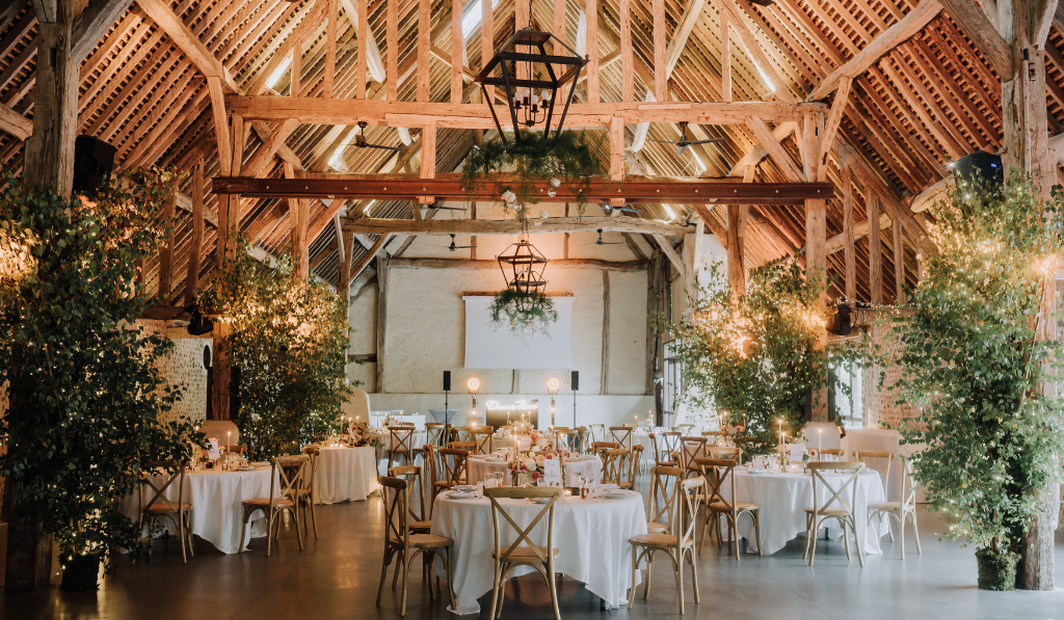
Wedding Estate vs Reception Hall: which One to Choose?
Discover the difference between a wedding estate or venue. Enjoy total privatization, on-site accommodation, and a timeless immersion for your reception.
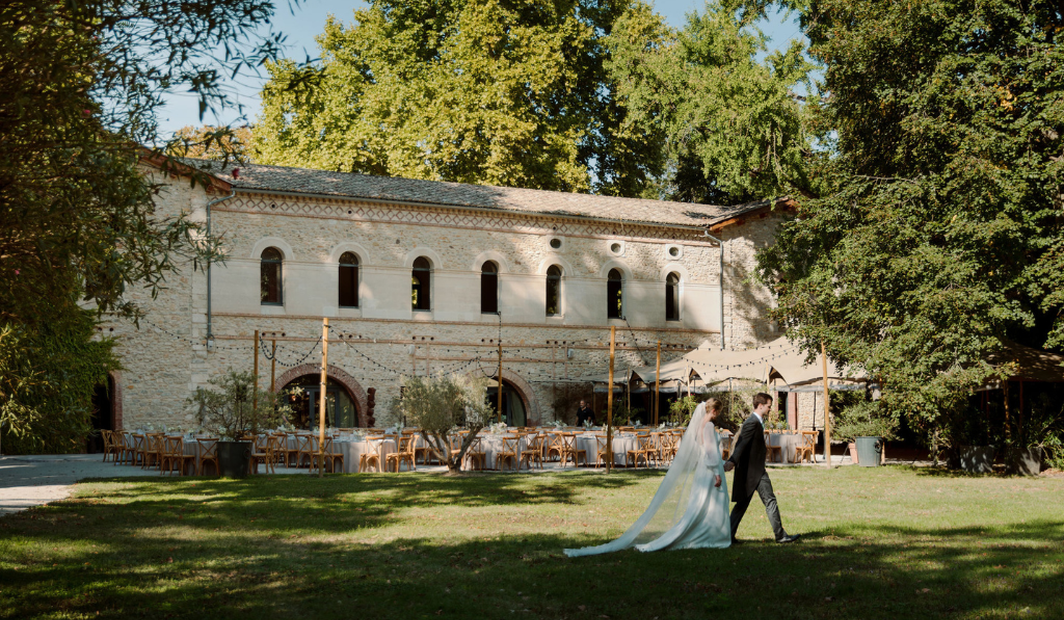
Destination Wedding in France: how to Plan an Exceptional Wedding Weekend?
Discover how to organize an unforgettable destination wedding by choosing France. Plan an exceptional weekend in authentic, fully privatized estates.
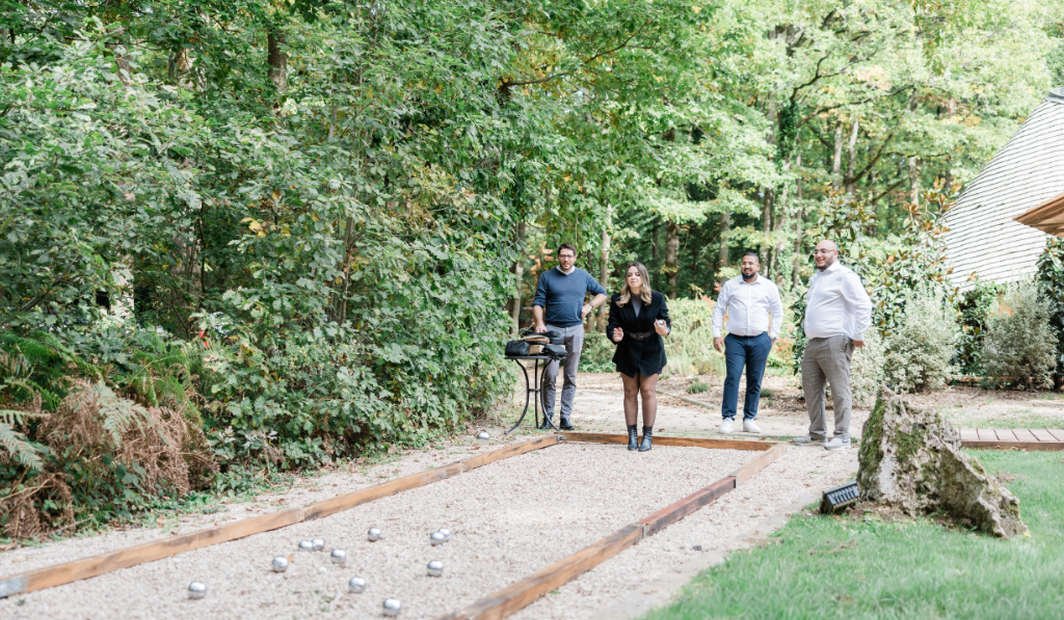
10 Team Building Activities to Organize in a Private Estate
Discover 10 inspiring team building activities in a private estate for your corporate retreats and green seminars. Boost team cohesion.
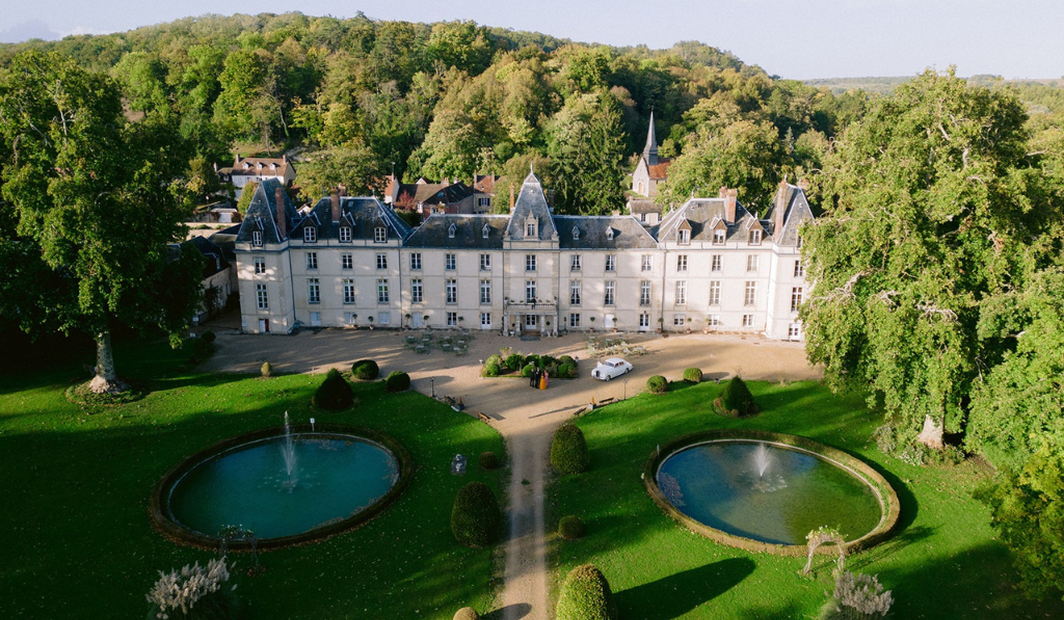
Getting Married in a Castle: The Complete Guide to Successful Planning and Budgeting (Step-by-Step Timeline)
Discover the complete guide to organizing your wedding in an exceptional estate. Master your budget and your step-by-step planning timeline.
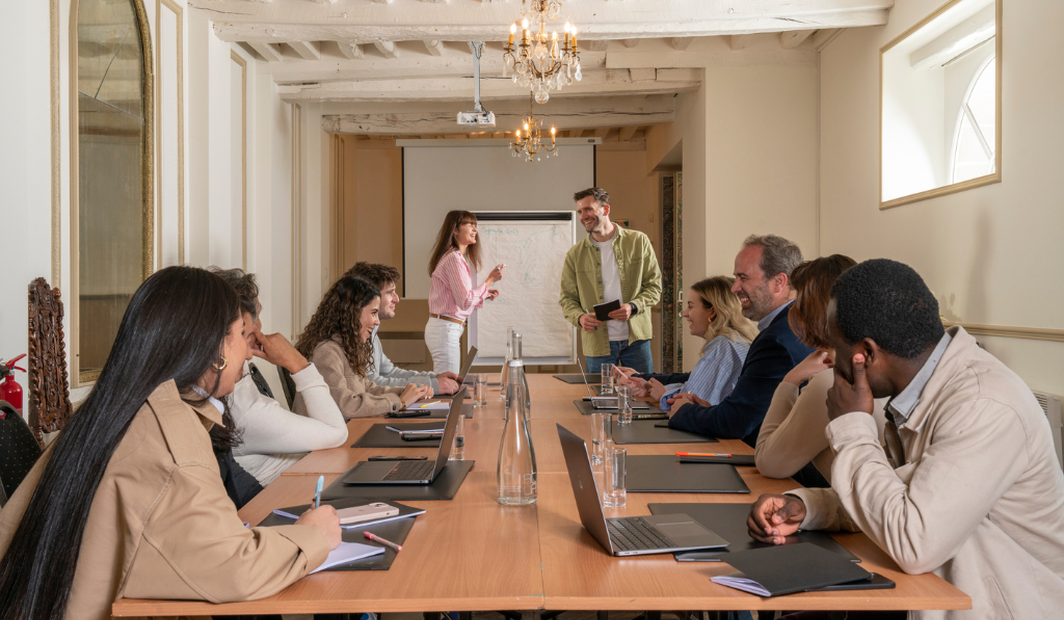
Corporate event room rental : why a Private Estate Changes Everything
Discover why choosing a seminar room rental in a private estate transforms your corporate events. Authentic team building and total disconnection guaranteed.
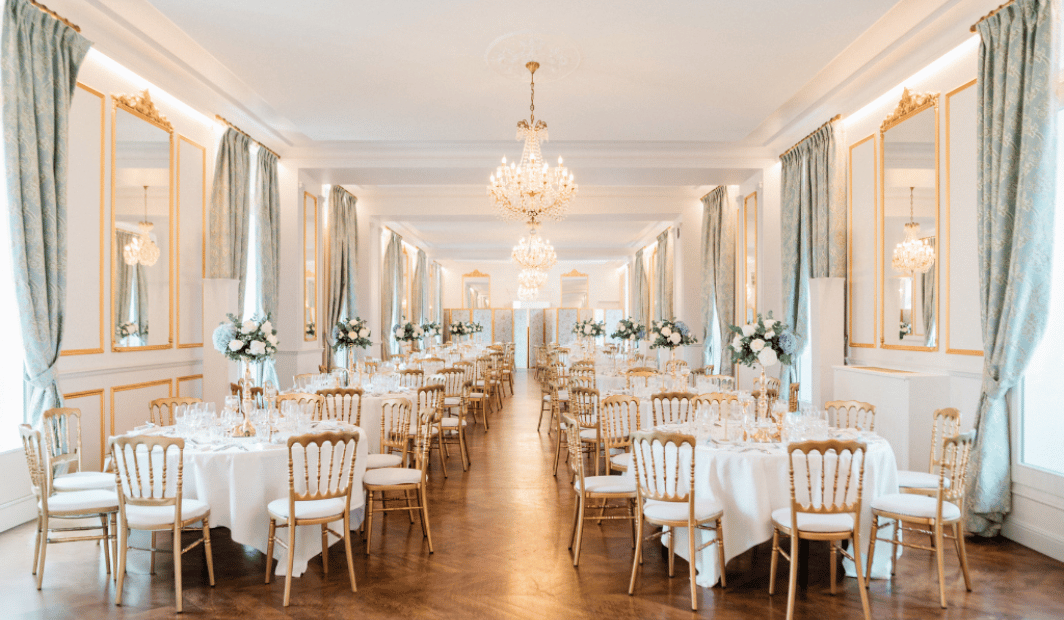
How to choose your wedding venue: 7 criteria you shouldn't overlook
Discover the 7 criteria for finding the ideal estate for your wedding. From guest capacity to the style of the building, create an unforgettable event.
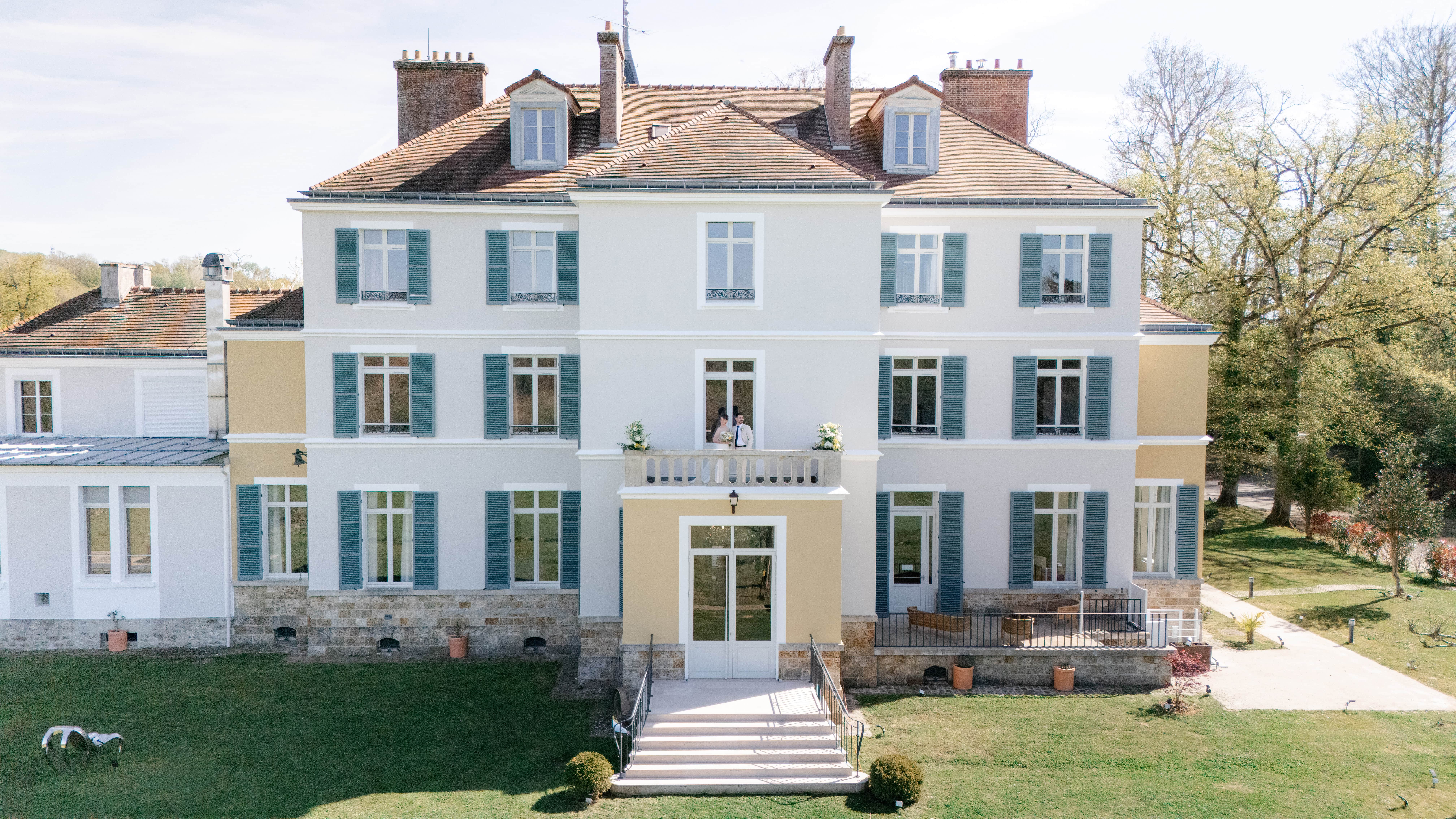
Le Domaine du Grand Morin partenaire du festival Traditions & Terroirs 2026
Le Domaine du Grand Morin, domaine de la collection Domaines & événements est partenaire du festival Traditions & Terroirs qui a lieu le 23 août 2026 à Saint-Cyr-sur-Morin.

Countryside back-to-work seminar: organizing an offsite in the country
Whether it's a back-to-school retreat or a last-minute event, discover why hosting a seminar in the countryside at a private estate changes everything.
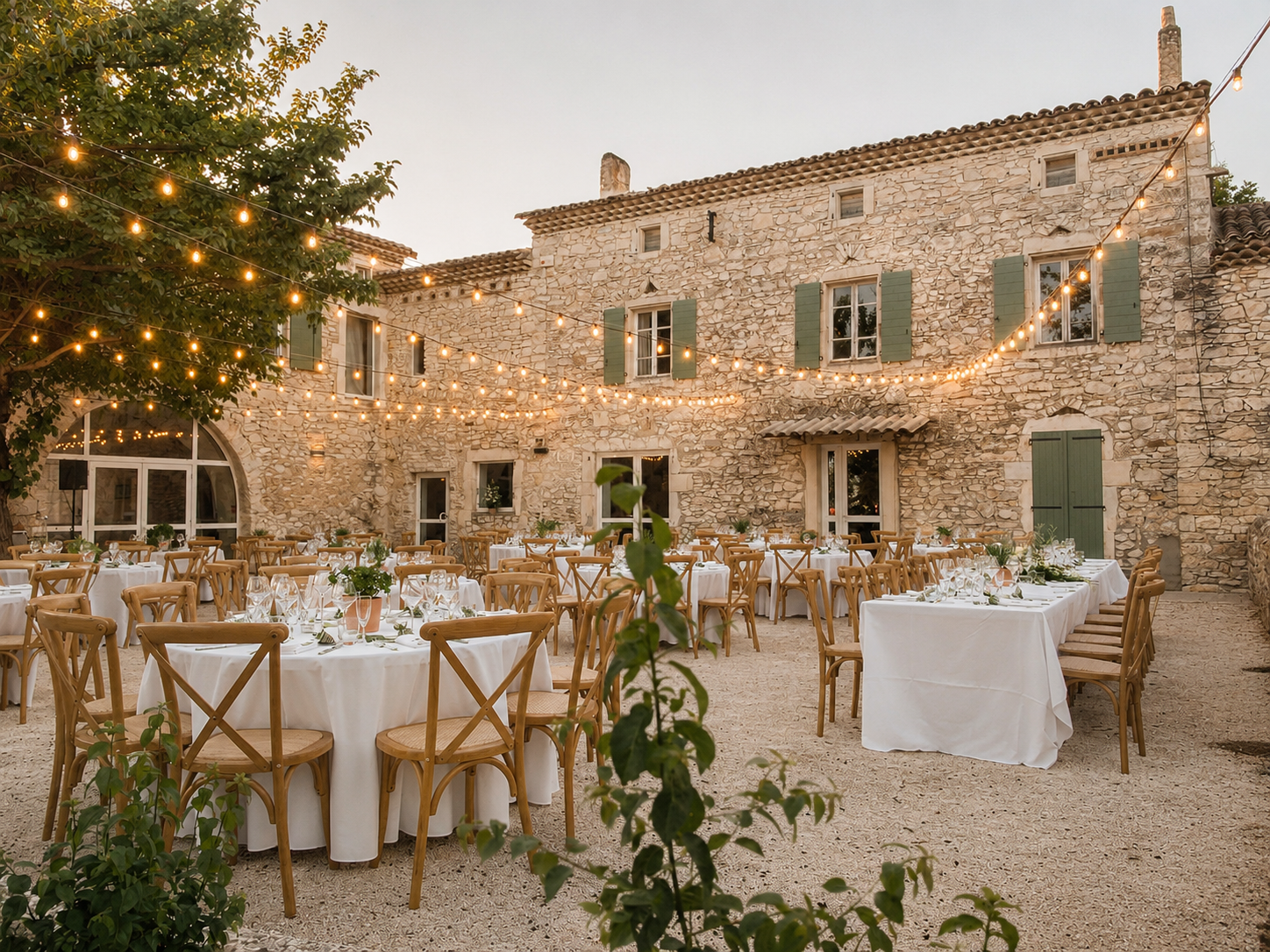
From country houses to exceptional estates: new ways to gather
Seminars, weddings, family reunions, or creative retreats: discover why private estates are reinventing the art of gathering. Domaines & événements is here to guide you.
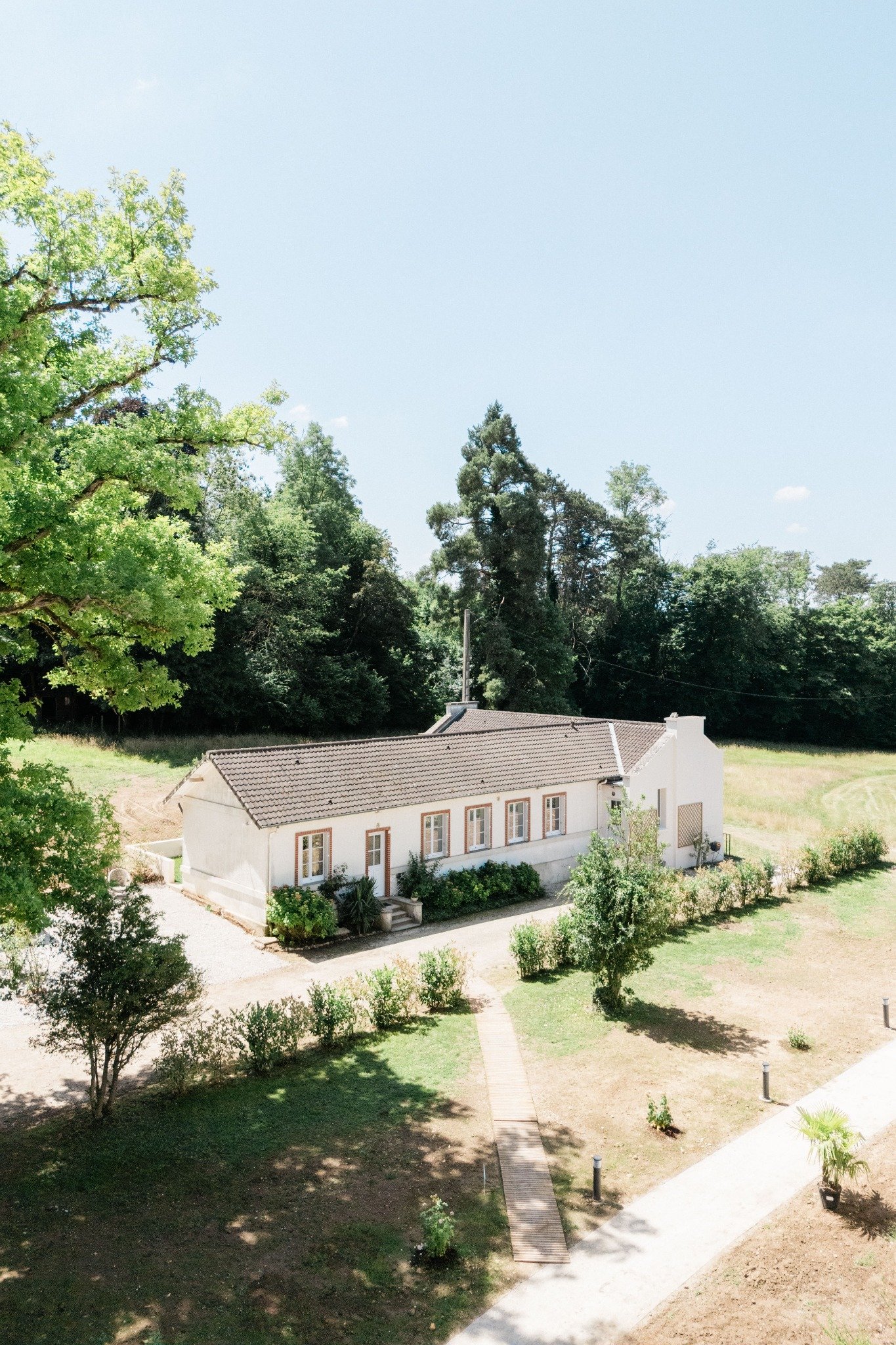
Why Renting a Large House Is the Best Way to Bring the Whole Family Together
Rent a character house to bring the whole family together. Comfort, shared spaces and total freedom. Discover the Domaines & événements Estate Houses.
.jpg)
Who Are the New Players Reinventing Event Hospitality in France?
Châteauform', Fontenille, Groupe Amadeus... An overview of the players reinventing corporate events, weddings, and private receptions in France, and where Domaines & événements fits in.
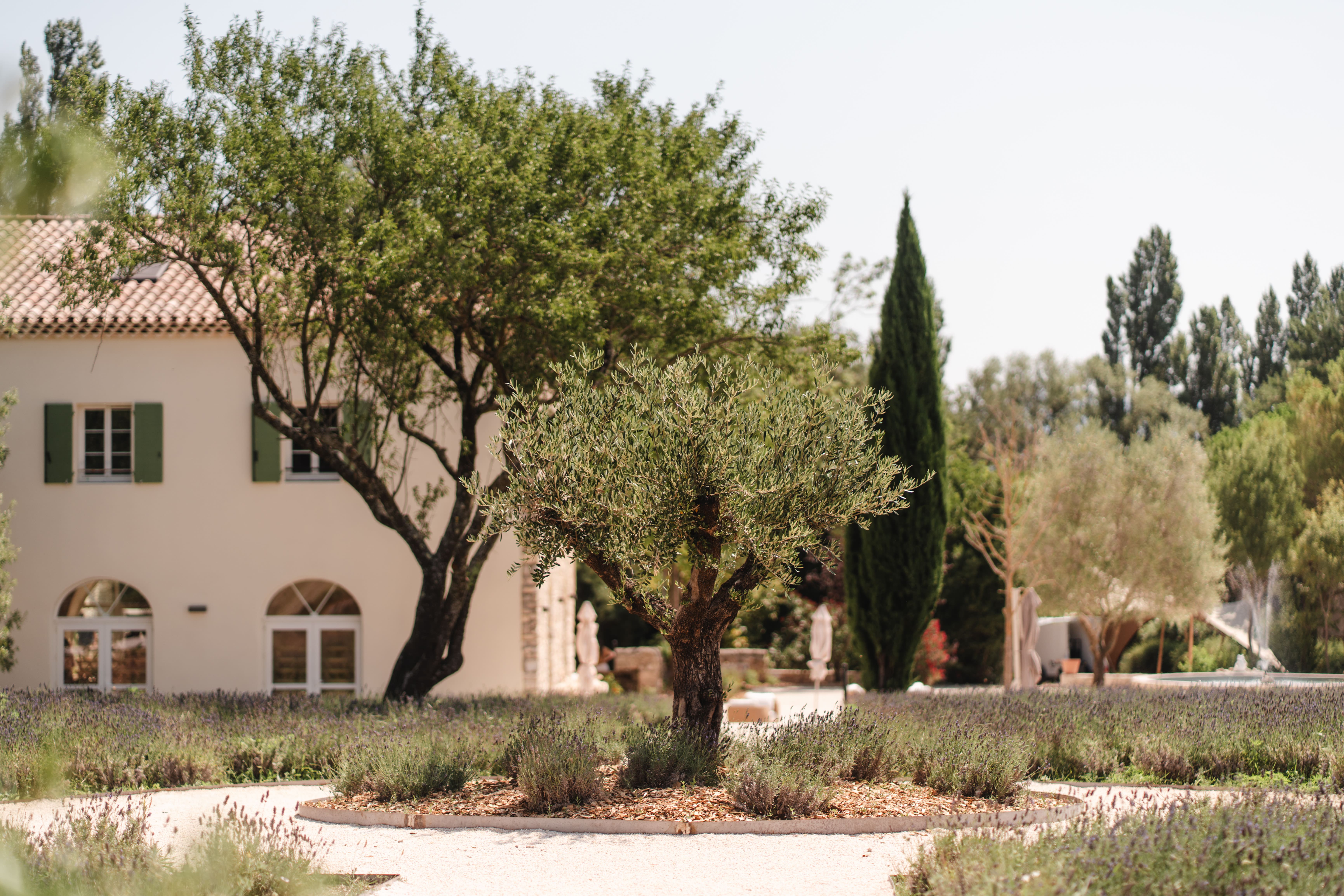
Domaine de la Vivande featured in Le Dauphiné Libéré
Read the article in Le Dauphiné Libéré about the pre-inauguration of Domaine de la Vivande and its opening in the heart of Drôme Provençale.

The notable figures who have chosen our venues
For several years, the eight estates of Domaines & événements have served as the backdrop for milestone moments for figures from film, television, sports, and the web, whether for a film shoot, a competition, or a celebration.
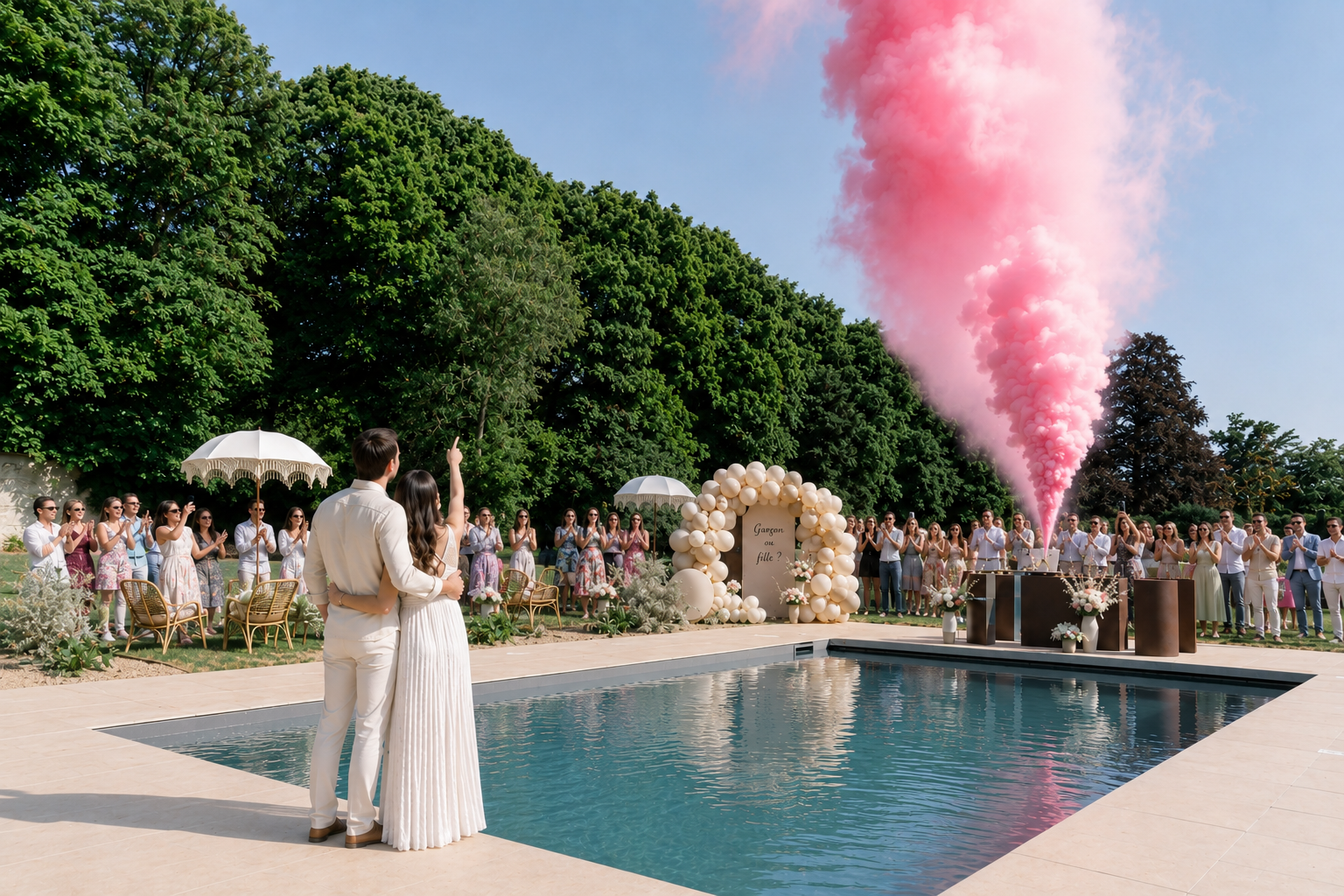
Major trends for private events in 2026
Birthday, baby shower, gender reveal, engagement party, retirement or summer party: private events are evolving towards more authentic, personalised and convivial celebrations. Discover the trends shaping 2026.
.jpg)
Experience a French-style stay in our charming character homes
Looking for an escape? Discover our charming homes just outside Paris, in Normandy, Centre-Val de Loire, and Provence, for a French-style getaway.
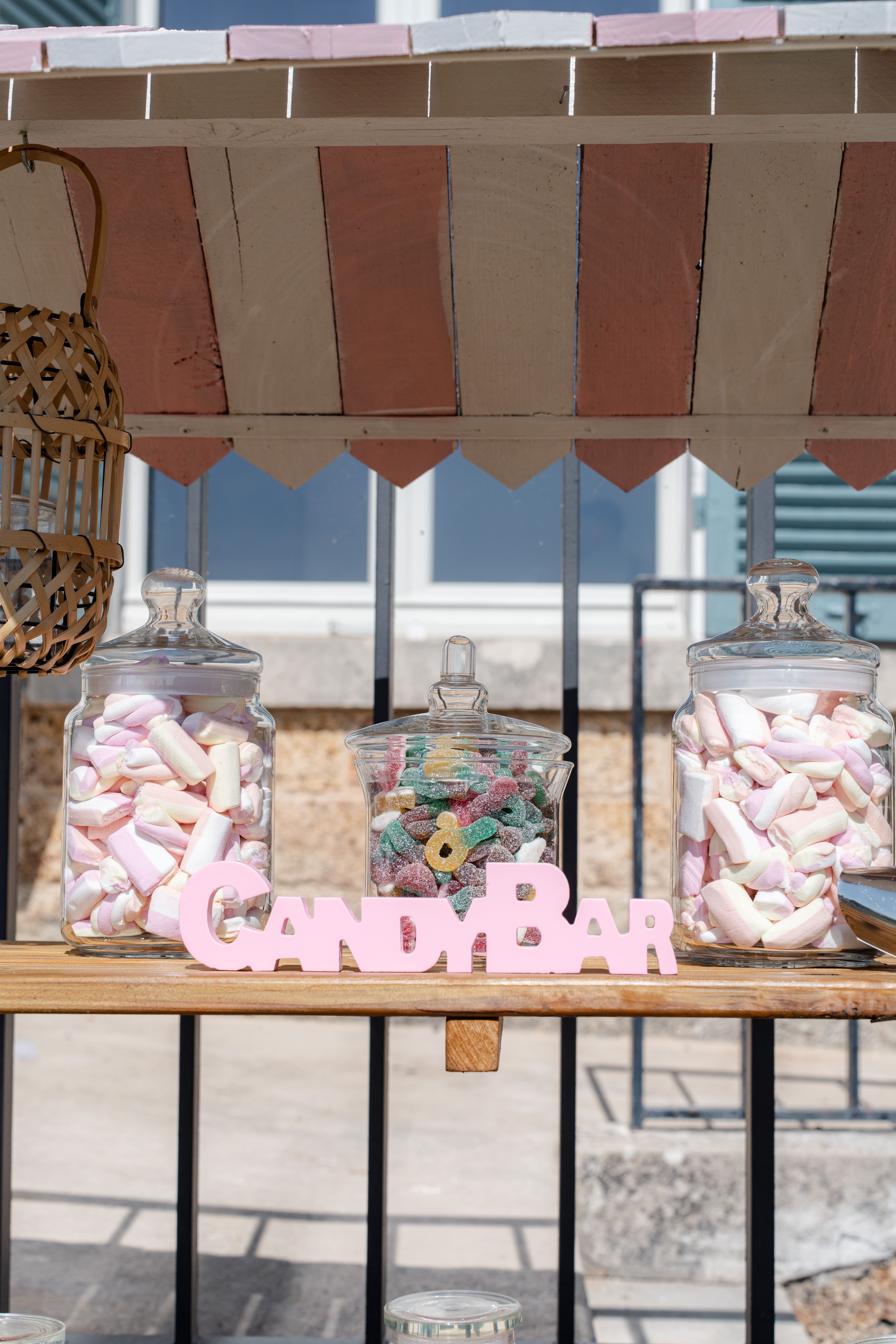
Host your private event in an exceptional venue
Birthday, baby shower, engagement, bar mitzvah, pool party, or retirement party: discover how Domaines & événements hosts all your private events at its 8 exceptional estates, located between Paris, Normandy, Centre-Val de Loire, and Provence.
The Complete Guide to Destination Wedding by D&é
Organising a destination wedding in France when you live abroad is a dream, but it requires planning and foresight. Here are our 10 essential tips for a successful wedding in France as an international client.
Le Grand Morin: where Paris fades away and memories begin
Between preserved nature and exceptional sites, the Domaine du Grand Morin is much more than an event venue. It is the starting point for an unforgettable experience.

Our Pre-Season Corporate Event: A Day to Bring Together & Belong Together
Some days set the tone for an entire season. Our pre-season corporate event, organised at the Domaine d'Aveny, is one of them. A day designed to meet again, strengthen our ties and approach the new season with energy and cohesion.

What is there to do around the Domaine de la Vivande in Provence?
Grignan, Mirmande, Montélimar... Discover 5 essential getaways less than an hour from the Domaine de la Vivande, in Marsanne in Drôme Provençale.
What to do around Domaine des Barrenques?
Pont du Gard, Avignon, Châteauneuf-du-Pape, Orange, Saint-Rémy… Discover 5 unmissable day trips within an hour of the Domaine des Barrenques, in Provence.

New! Domaine de la Huguenoterie, Event Venue in Normandy, 1 hour from Paris
Exclusive-use estate with accommodation 1 hour from Paris, in Normandy. Weddings, countryside seminars, private events. 10 to 160 people. Up to 62 guests accommodated on site.
Virtual Solution 3D: our go-to partner for showcasing our exceptional venues
At Domaines & événements, Virtual Solution 3D enhances our exceptional venues through an approach combining cinematic video and immersive 3D virtual tours. Their work allows our clients to fully envision themselves in our estates even before they arrive.

Pessah 2026: Celebrate Freedom in an Exceptional Venue
Host an unforgettable Pessah event at a natural estate, with welcoming spaces and services tailored to your needs.

Where to Host Eid al-Fitr? Venue Ideas for an Unforgettable Celebration
Organise your Eid al-Fitr at an exceptional venue: locations, traditions, tips, and custom reception in France.

What is there to do around Domaine de la Thibaudière?
Discover what to do around Domaine de la Thibaudière: Château de Maintenon, Château de Rambouillet, Royal Chapel of Dreux, and Eure Valley. Ideas for nature and heritage visits less than an hour from Chartres and the Yvelines.

What to do around Domaine de Vaujoly? Culture and heritage between Chartres and Paris
What to visit around Domaine de Vaujoly? Discover Chartres Cathedral, Maison Picassiette, the Marcel Proust Museum, and Château de Swann. Ideas for cultural and nature visits 20 minutes from Chartres and 1 hour 10 minutes from Paris.
Key questions to ask before choosing your wedding venue
Essential questions to ask before booking a wedding venue: capacity, accommodation, timings, caterer, and wedding day organisation.
Winter Party 2026: Domaines & événements Partner Evening
A recap of the Winter Party 2026 at Domaine de la Thibaudière, a partner event bringing together wedding planners and service providers from Domaines & événements.
Spring Festival: celebrating Chinese New Year at an exceptional venue
Host a Chinese wedding in France or celebrate the Spring Festival at an exceptional venue combining tradition, elegance, and heritage.

MICE Trends 2026: Corporate Seminars Reinvent Themselves
The green corporate event is becoming strategic. Discover the new MICE 2026 trends: event venues, offsites, flexible event management, and responsible seminars.
Last available dates 2026 at our venues for your events
Discover the last available dates for 2026 at our exceptional venues to host your event, with preferential rates on the remaining slots.
.jpg)
Wedding Awards 2026: Domaine d’Aveny, Vaujoly, and la Roche Couloir, awarded by Mariages.net
Mariages.net's 2026 Wedding Awards recognise Domaine d’Aveny, Domaine de Vaujoly, and Domaine de la Roche Couloir, three wedding venues celebrated for the quality of their service.
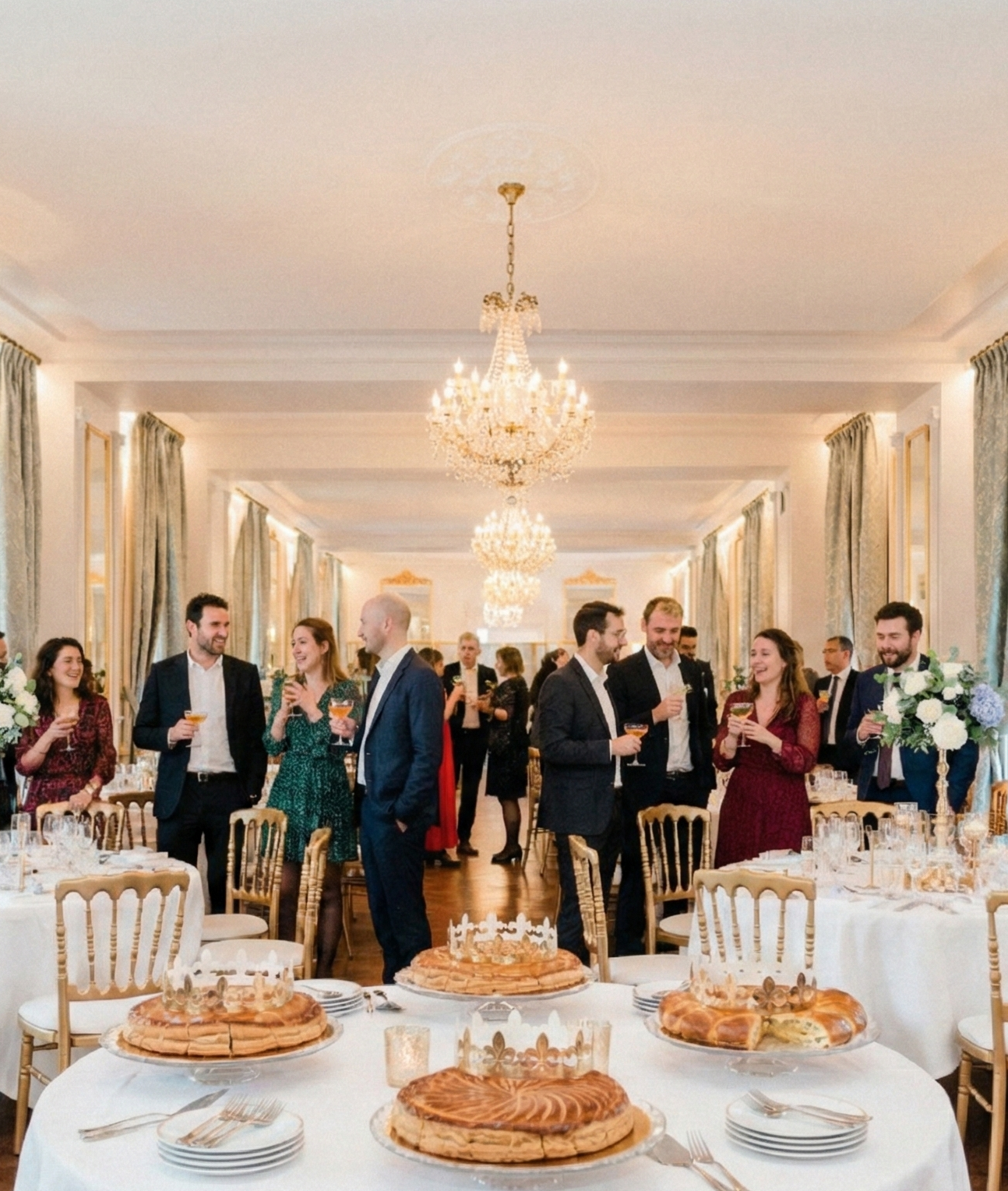
Afterworks Galette: when our wineries open their doors
In January, Domaines & événements organised three “Galette & Pots des Voisins” afterworks in its venues Aveny, Vaujoly and Grand Morin. Moments of sharing and discovery, bringing together nearly 160 participants around visits, exchanges and delicacies.

Domaines & événements at the 2026 Paris Wedding Fair
Domaines & événements will participate in the 2026 Wedding Fair, on January 31 and February 1 at Paris Expo Porte de Versailles stand 87, to present 8 exceptional areas dedicated to weddings. Come and meet us to discover unique places, discuss your project and imagine a wedding in your image.

D&é at the Assistant (e) Plus Afterwork, a springboard for Domaines & événements
Domaines & événements presents its exceptional locations during the Afterwork Assistant (e) Plus and meets professionals.
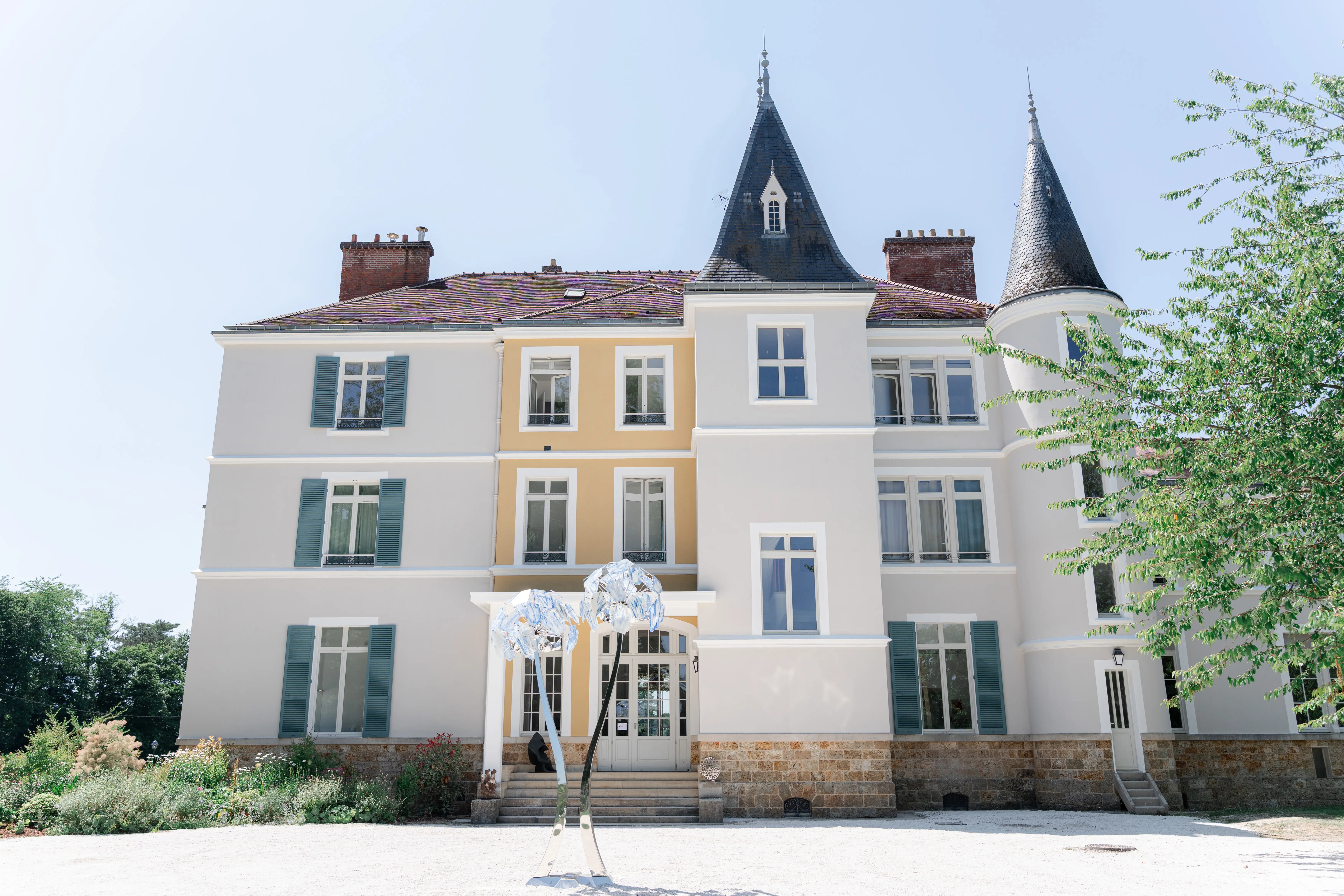
Wedding 2025: a ritual that keeps pace with society and new trends
Discover how the wedding in 2025 is evolving with new trends, the influence of social networks and the expectations of couples for more personalised and immersive celebrations.
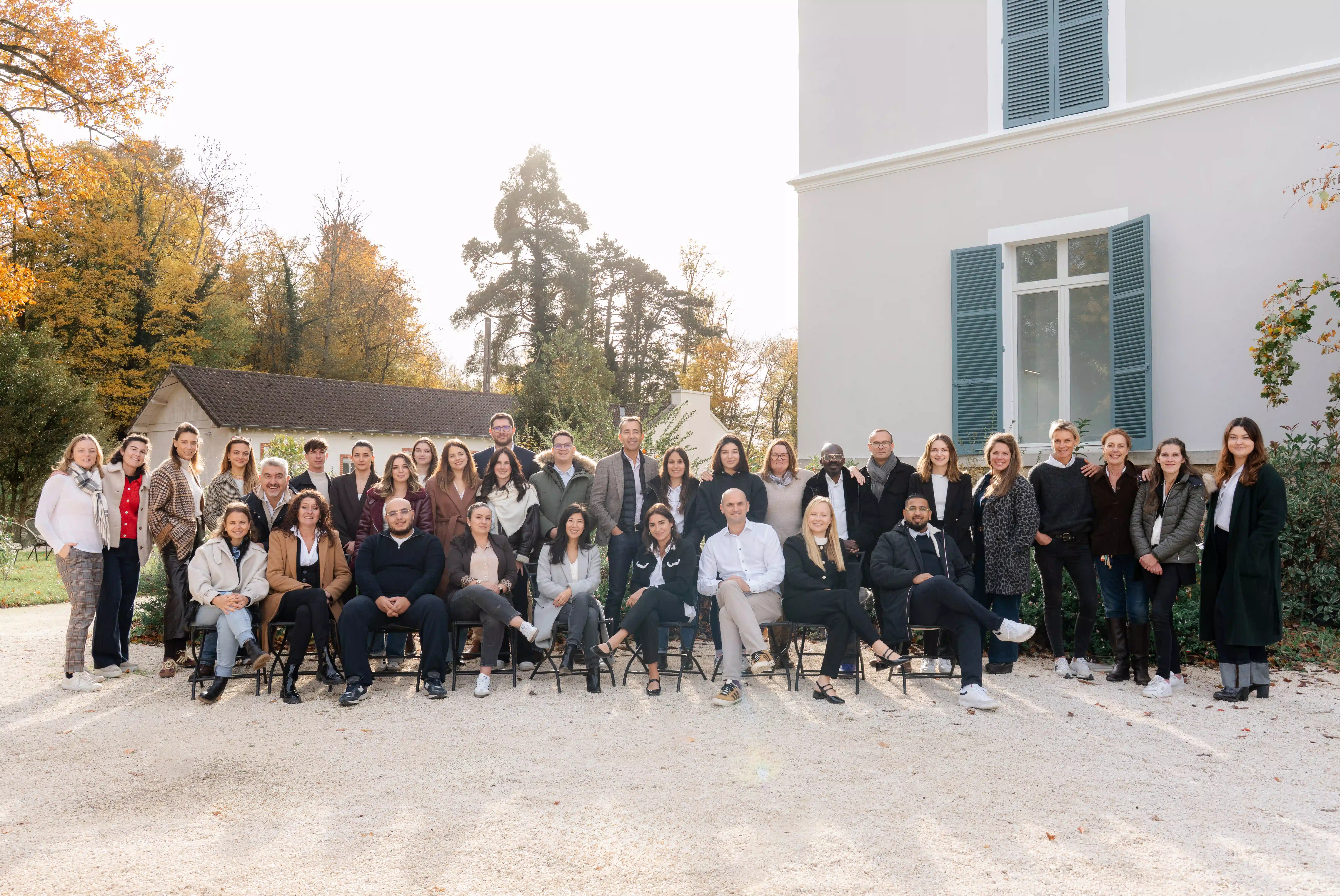
2025 season draws to a close: D&é corporate event at Domaine du Grand Morin
End of the 2025 season for Domaines & événements! Two days of corporate event at the Domaine du Grand Morin, punctuated by the conviviality, cohesion and collective energy that make up the DNA of D&é.
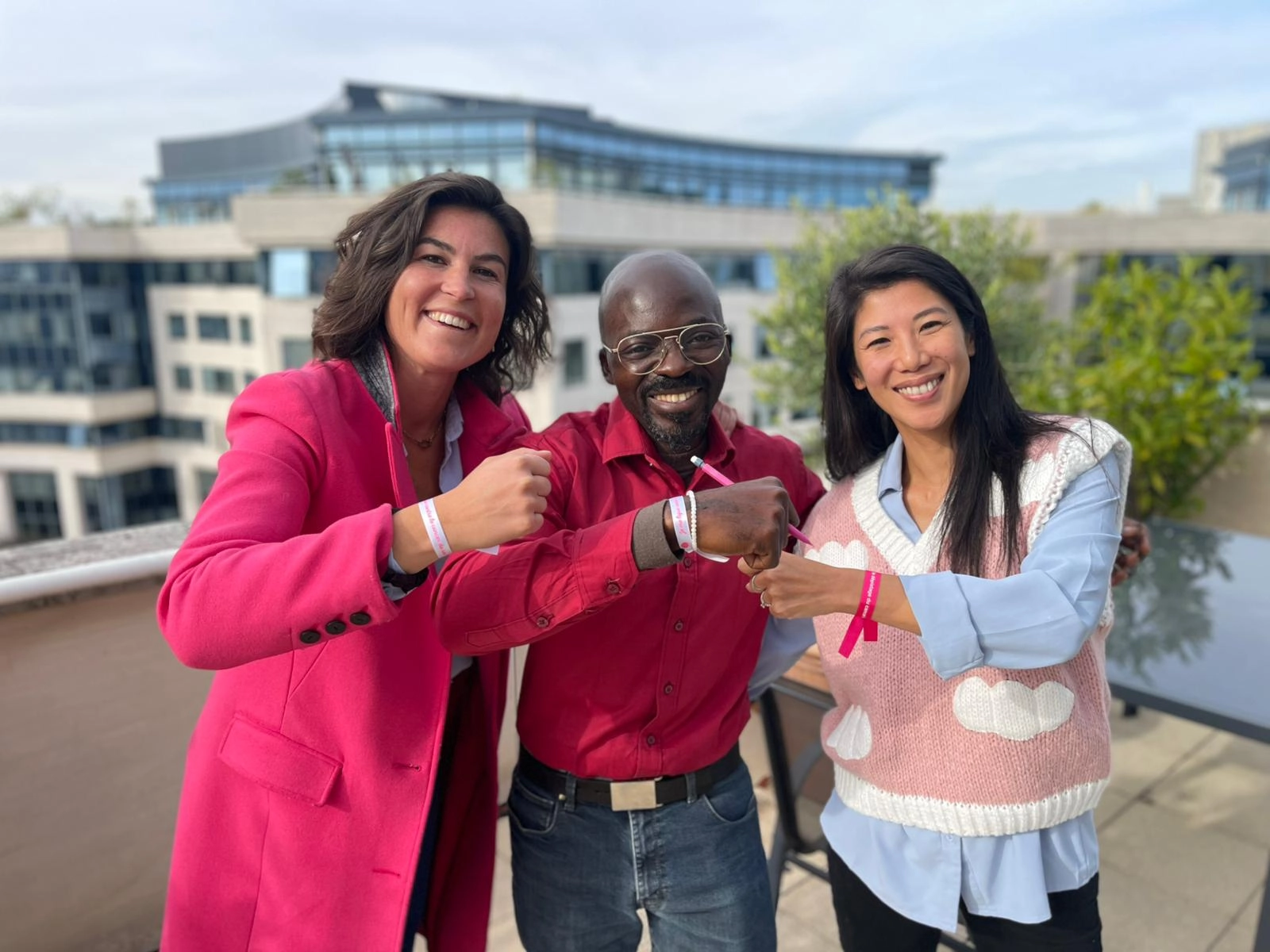
United & Reunited: Domaines & événements Supports Pink October
Brought Together & Belonged Together, the Domaines & événements teams are mobilising for Pink October, combining solidarity, hope and collective commitment against breast cancer.
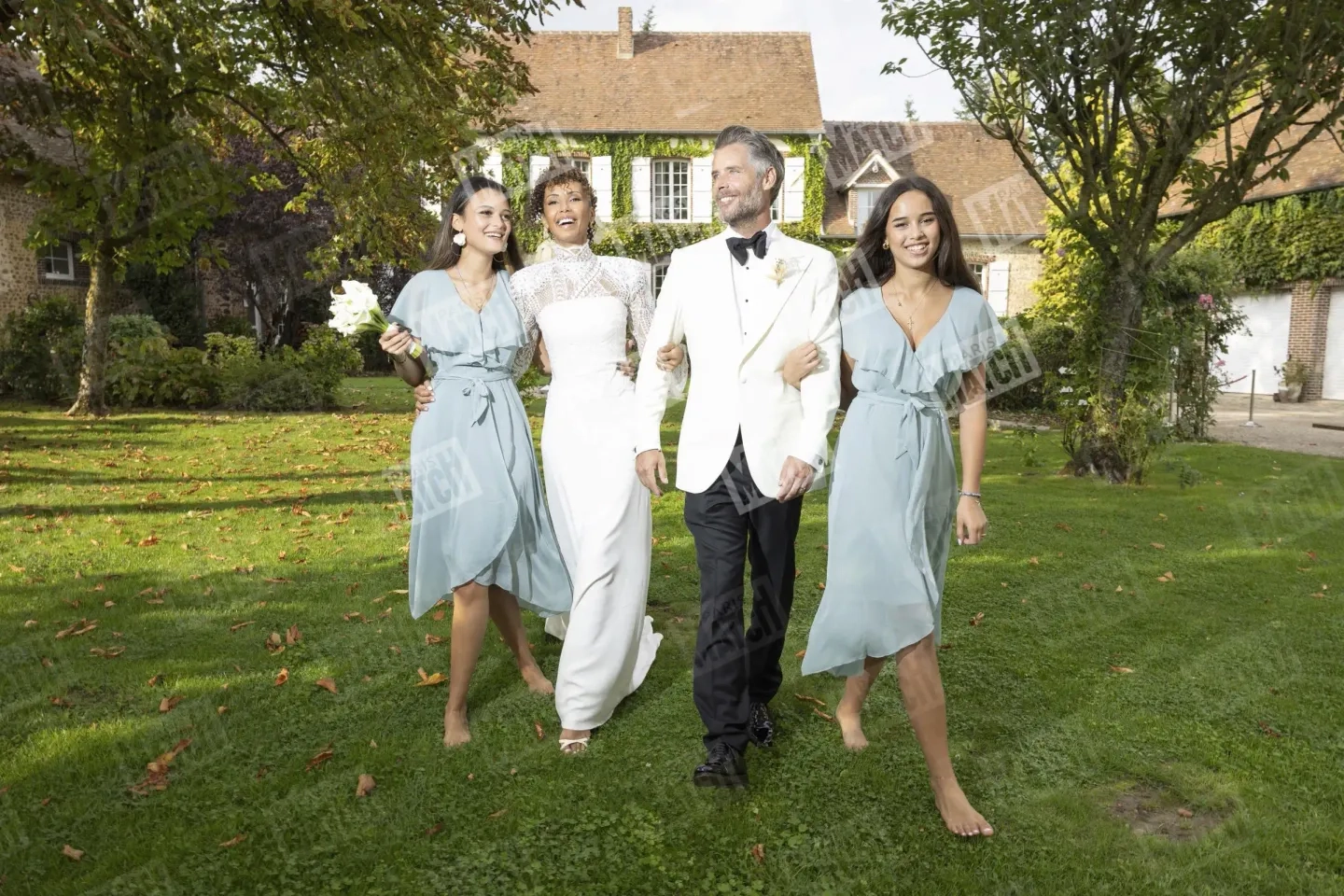
Sonia Rolland and Guillaume Gabriel's Union at Domaine de Vaujoly
Domaine de Vaujoly had the honour of hosting the wedding of Sonia Rolland and Guillaume Gabriel, an exceptional celebration blending French elegance and Rwandan traditions.
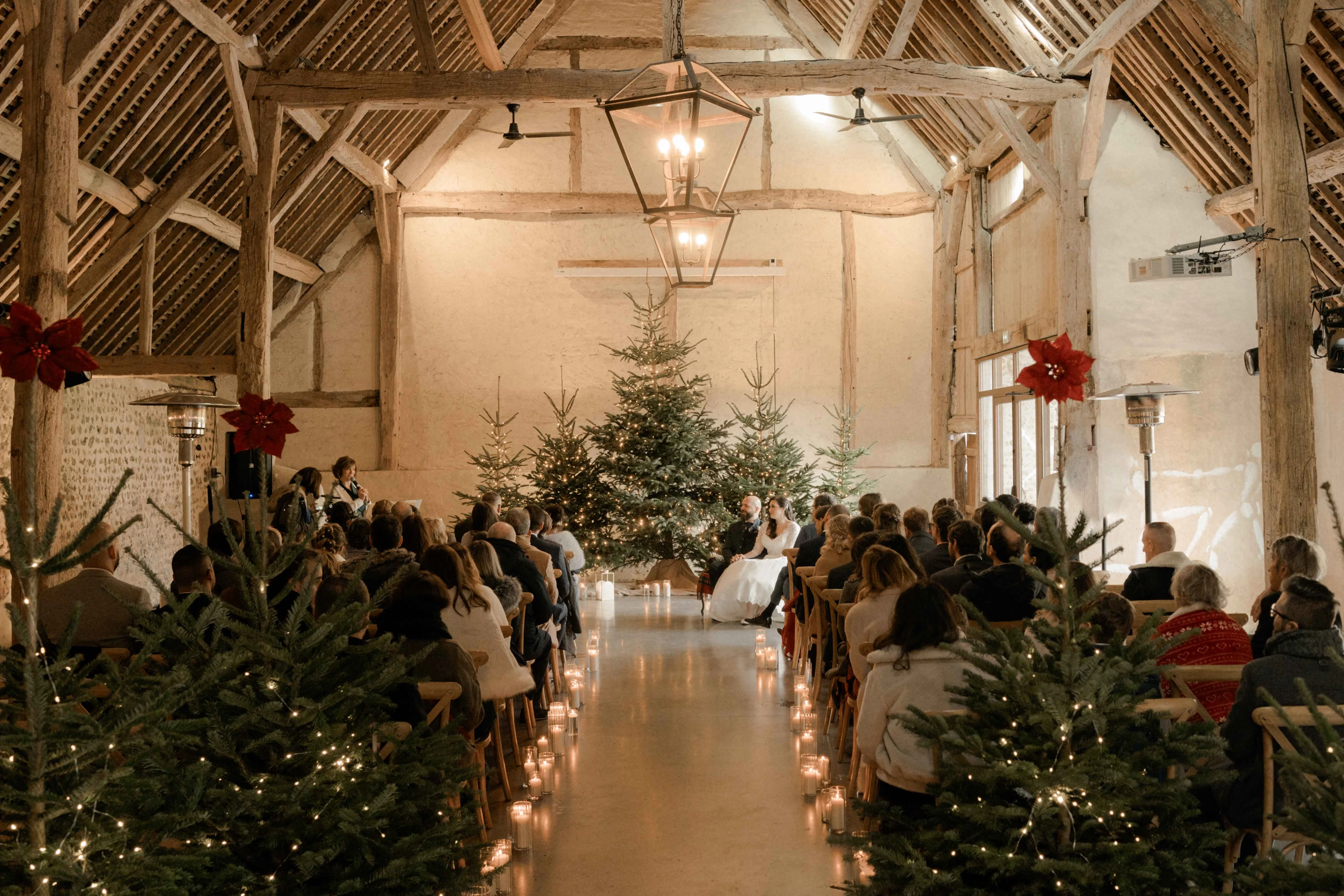
Saying "I Do" in winter: why choose a winter wedding at our exceptional estates?
Discover why a winter wedding at our exceptional venues offers charm, elegance, and unforgettable memories.

Domaine de la Vivande: 7th venue in the Domaines & événements collection
Domaine de la Vivande will open in 2026 in Marsanne, offering an exceptional setting amidst heritage, nature, and breathtaking views of the Vercors.
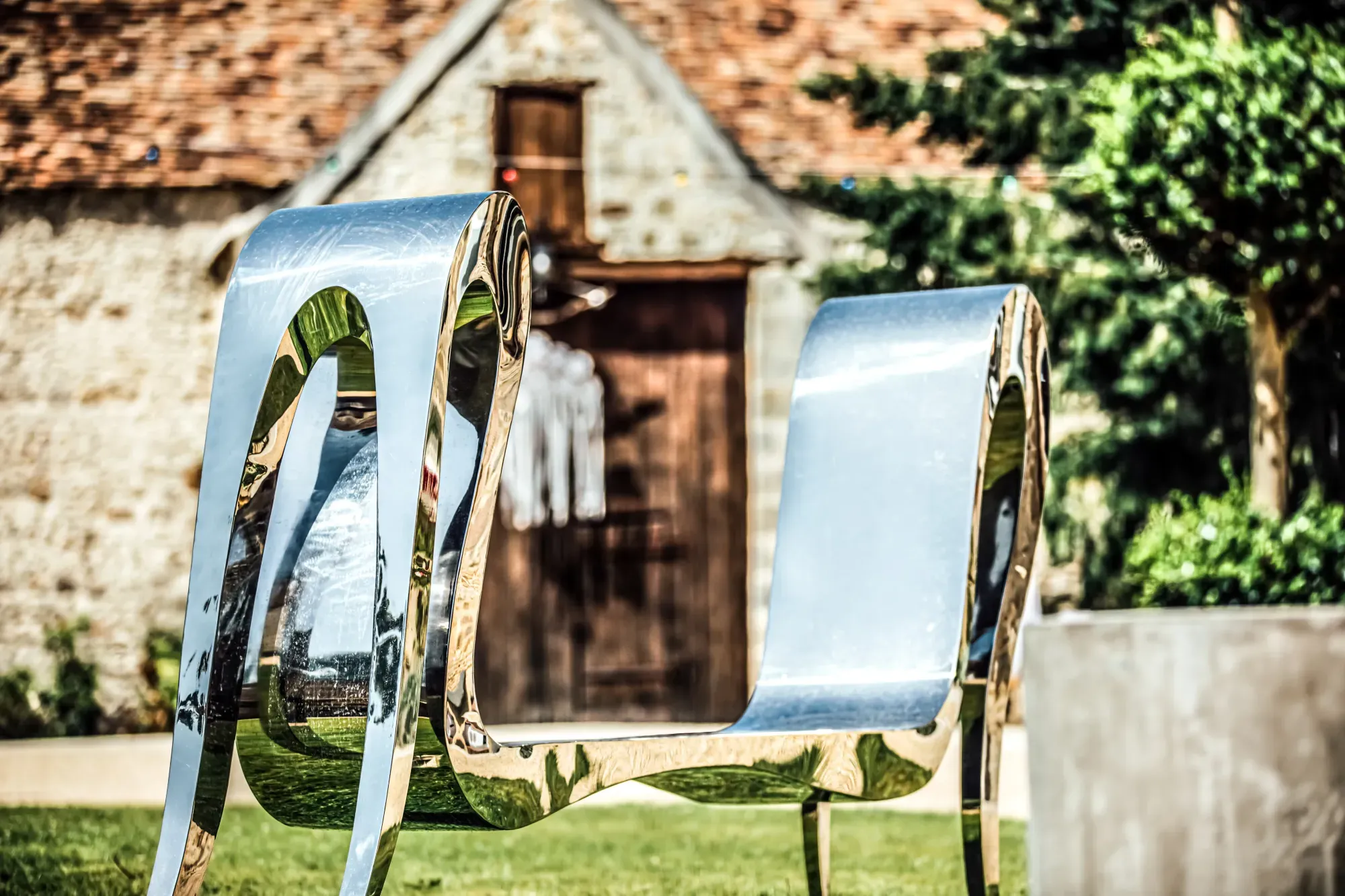
What if art transformed your experience at Domaine de la Thibaudière?
At Domaine de la Thibaudière, contemporary art is present in every corner, transforming your corporate event or stay into a truly aesthetic and inspiring experience.
.jpg)
Art at the heart of Domaines & événements: an encounter at Domaine du Grand Morin
At Domaine du Grand Morin, art converses with heritage and nature. Nicolas Tommasini, the group's president, shares his vision in a video of living art that inspires seminars and weddings.
The Grand Morin Estate featured in Seine-et-Marne's “Le Moniteur” newspaper
In Jouy-sur-Morin, Domaine du Grand Morin embodies the revival of a heritage site, combining nature, art, and conviviality for weddings and seminars, as highlighted in Le Moniteur de Seine-et-Marne.
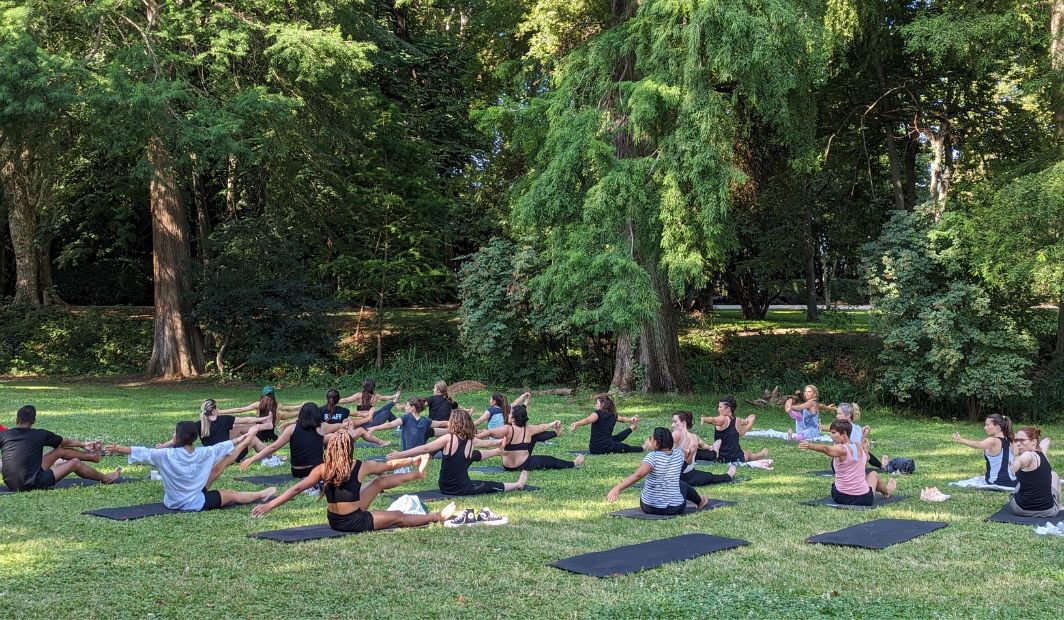
5 ideas for a successful back-to-school corporate event
Offer your teams a kick-off seminar that is rejuvenating, structuring, and inspiring. Discover 5 practical ideas for organising a successful team event at Domaines & événements' exceptional venues.
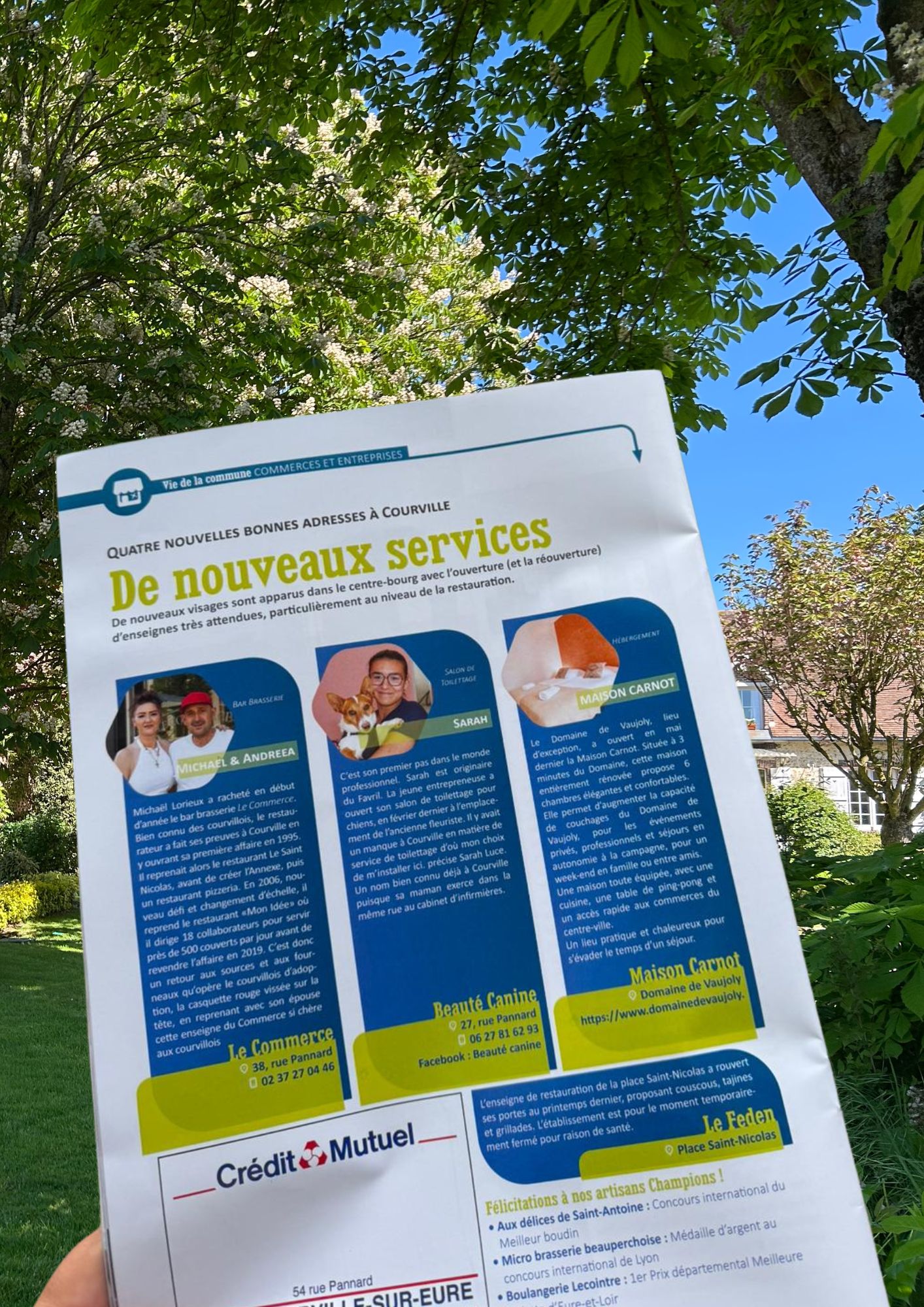
Courville Info highlights Maison Carnot: the new house at Domaine de Vaujoly.
The July 2025 Courville Info newsletter features a great article on Maison Carnot, renovated and designed to host families, wedding guests, or seminars, and located near Domaine de Vaujoly,

Le Parisien: Why is Domaine du Grand Morin so appealing on the outskirts of Paris?
Le Parisien highlights Domaine du Grand Morin, a 19th-century château in Seine-et-Marne, as a premier venue for countryside weddings and seminars. This iconic location, a member of Domaines & événements, appeals with its natural setting, flexibility, and proximity to Paris.

Inauguration of the Domaine du Grand Morin
On June 18, 2025, Domaines & événements inaugurated the Domaine du Grand Morin, its 6th reception venue, following a renovation blending heritage and sustainability. Nestled by the river in Seine-et-Marne, this 19th-century château becomes an exceptional venue for weddings and seminars.
.jpg)
Domaines & événements featured in the event industry press!
My Business Event highlights Domaines & événements and its collection of unique green venues, perfect for inspiring seminars. Discover how our human-centric and heritage-focused approach is reinventing professional events.

Le Grand Morin awarded the 2024 Regional Tourism Fund Trophy
Domaine du Grand Morin receives the 2024 Tourism Trophy for its sustainable transformation into an event venue nestled in nature. An inspiring project by Domaines & événements, balancing heritage, ecology, and local impact.

Launch of the 2025 season: our internal corporate event at Domaine de Vaujoly
On April 24, 2025, Domaines & événements kicked off its season with an internal seminar at Domaine de Vaujoly, combining a plenary session, a collaborative workshop, an Easter egg hunt, and festive moments. It was a day rich in discussions, projects, and team spirit, all in preparation for the busy season ahead.

Gerflor chooses Les Barrenques for its corporate event in Provence
Gerflor organised its corporate seminar at Domaine des Barrenques, an exceptional venue from our D&é collection in Provence. An authentic and natural setting, ideal for combining work, inspiration, and conviviality.
.jpg)
International Women's Day Celebrated at Domaine des Barrenques
This Saturday, March 8, 2025, Domaines & événements, in collaboration with Domaine des Barrenques, is honoured to invite you to a unique celebration of female talent in the automotive industry.

D&é at the CSE - Eluceo 2025 Exhibition: a notable presence!
Back on the 30th CSE - Eluceo Exhibition at the Stade de France, where Domaines & événements made a notable presence among event industry professionals.
.jpg)
Our venues, winners of the Mariages.net Wedding Awards 2025
It is with immense pride that we announce that 100% of our venues have won the prestigious Wedding Award 2025, presented by Mariages.net!
.jpg)
Domaines & événements at the SBE Lyon 2025 Exhibition
Join us on Thursday, February 6 and Friday, February 7, 2025, at the SBE Show in Lyon, the unmissable event for event professionals.

Nicolas Tommasini in the "Fast & Curious" by D&é
Our founder Nicolas Tommasini took part in our “Fast & Curious” format: discover him in a few quick questions, and the team behind Domaines & événements.
.jpg)
End-of-year D&é corporate event at Château Form'
Domaines & événements wrapped up its season at Les Étangs de Saint-Aubin at Château Form', bringing together 35 team members to strengthen bonds and prepare for the future.
.jpg)
A gala in the spirit of solidarity at Domaine de Vaujoly
The Eurelian Solidarity Gala at Domaine de Vaujoly raised €40,000 to support sick children. An evening marked by generosity and the presence of sports legends!
.webp)
What music for a flawless wedding?
Think of music as the soundtrack to a movie: your wedding! Turn your wedding into an unforgettable symphony: discover how music, from the ceremony to the first dance, can create the perfect emotional soundtrack for you and your guests. Follow our guide… Music!
.jpg)
D&é at the Paris Wedding Fair 2025
Discover Domaines & événements' six exceptional venues at the Paris Wedding Show on January 25 and 26, 2025. Exclusive offers, magical locations, and refined cuisine await you at booth 67!
.webp)
D&é's Purpose
We are delighted to unveil our company's new purpose: "Bring Together & Belong Together". Discover how we breathe new life into heritage sites in harmony with nature, creating shared emotions.
.webp)
Green Corporate Event: A Winning Strategy for an Event Where Nature Gathers
Organising a corporate seminar in nature is much more than a simple getaway: it's a winning strategy that combines well-being, creativity, and sustainable commitment.
.webp)
Countryside Nature Escapes: Rediscover Authenticity with D&é
Looking for a venue close to major cities? Domaines & événements offers inspiring locations on the doorstep of metropolitan areas, where authenticity and rejuvenation come together.
.jpg)
D&é Wedding Planners & Vendors Evening 2024
On Thursday, November 14, 2024, Domaines & événements hosted the second edition of the "Wedding Planners & Vendors" evening at Domaine d'Aveny.
.jpg)
Domaines & événements highlighted by KPMG Pulse in the 'Hospitality Industry 2024' study
The residential seminar market is shifting towards more ecological and human-centric offerings, with the Domaines & événements collection, led by Nicolas Tommasini, focusing on conviviality and nature.

How to integrate social responsibility into your corporate events?
In the current context, where consumers and employees are increasingly prioritising ethical values and sustainability, integrating social responsibility into corporate events is no longer an option, but a necessity.

What creative techniques can boost engagement and productivity?
Meetings are often perceived as dreaded moments by teams. However, they represent a valuable opportunity to innovate, engage, and boost your teams' productivity.

Secular Ceremonies: How to Personalise Them to Truly Reflect You?
How to personalise them to truly reflect you? When it comes to celebrating love, every couple has a unique vision of perfection.
%20(1).webp)
The "Destination Wedding" Trend: A Dream Wedding with Unparalleled Benefits
Organising a corporate event in nature is much more than just a getaway: it's a winning strategy that combines well-being, creativity, and a commitment to sustainability.

Hosting an unforgettable corporate event
What are the secret ingredients? Hosting a corporate event that truly resonates with all attendees requires more than just a simple gathering.

Rainy wedding, happy wedding
Rainy Wedding, Happy Wedding: Tips for a Flawless Weather Backup Plan? The adage "Rainy wedding, happy wedding" resonates as a promise of lasting happiness, but it also underscores the importance of being well-prepared to face the whims of the weather on your big day.
.jpg)
D&é partner of Miss Eure-et-Loir & Centre-Val de Loire
Since 2021, Domaines & événements has been a partner of Miss Eure-et-Loir and Miss Centre-Val de Loire. A collaboration that combines elegance, prestige, and highlights our exceptional heritage!

How to energise your next corporate event?
How to energise your next corporate event? Discover 5 team building activities that will leave a lasting impression on your teams.

Wedding Catering: How to Dazzle Your Guests with a Memorable Menu?
How to dazzle your guests with a memorable menu? Let's dive into the delicious world of wedding cuisine to design a menu that will leave a lasting impression on your guests long after the big day.
.webp)
How to organise my wedding from abroad?
Organising a wedding from abroad can seem complex, but with good planning and the right tools, it can be done without too much stress. Discover our step-by-step guide to help you plan your wedding remotely!
.webp)
4.0 Shows to Enhance Your Corporate Event
Drone shows are revolutionising corporate events by offering spectacular and modern visual entertainment.
.webp)
How (and why) to plan a winter wedding?
Do you dream of a magical wedding in an enchanting setting? Discover why winter is the ideal season to say "I do." In our latest article, we share tips for planning an unforgettable winter wedding. From snowy backdrops to warm festivities, let yourself be charmed by the unique appeal of this season.

The ultimate guide to planning a perfect small wedding: how to do it?
In a world where everything is bigger, louder, and often too complicated, choosing a small wedding is a bold, intimate, and incredibly touching choice.

Eco-responsible Weddings
Eco-responsible and unforgettable: How to organise an eco-responsible wedding? Creating an eco-responsible and unforgettable wedding is not just a trend, it's a necessity.

The trend of well-being-focused corporate events
Discover how to give your corporate events a wellness dimension for exceptional results! Find our practical tips for organising corporate events that combine productivity and relaxation.