


Italian wedding in France: which traditions should you keep?
For an Italian wedding in France, the easiest traditions to keep are the confetti offered in a bomboniera, the late-night confettata, the rice toss, the tarantella, and the taglio della cravatta. They integrate seamlessly into a secular ceremony and a reception at a private estate. A Franco-Italian menu and a bilingual ceremony then allow you to bring both cultures together for the weekend.
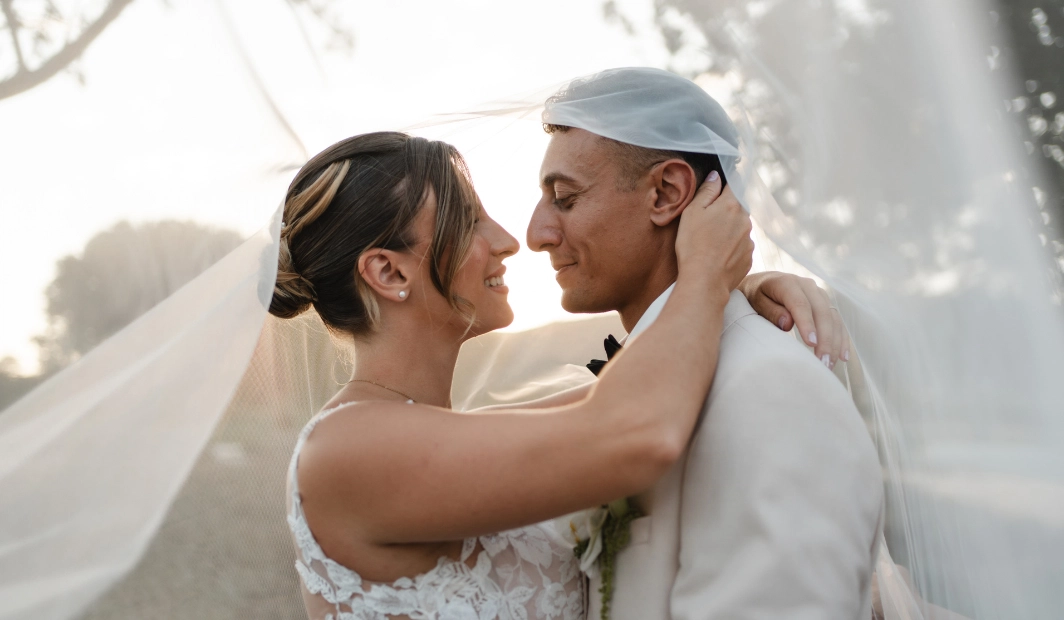
Five almond dragées in every bomboniera, a necktie cut up and auctioned off at midnight, a shower of rice as you leave the ceremony: an Italian wedding is defined by its rituals. When choosing to get married at an estate in France, one question often comes up: which traditions should you keep, and how can you bring them to life far from Italy?
In this guide, Domaines & événements reviews the traditions that best adapt to an Italian wedding in France, from the ceremony to the end of the night.
Which traditions should you keep for an Italian wedding in France?
The easiest traditions to keep for an Italian wedding in France are those centered around the table, gifts, and the party. The magazine Matrimonio.com lists fifteen customs that are still very much alive in Italy. Here are the ones that fit perfectly into a private estate setting:
- Confetti and the bomboniera, given to each guest;
- The confettata, the late-night dragée buffet;
- The "something..." tradition, the bride's lucky charms;
- The rice toss, or flower petals, as you leave the ceremony;
- The serenade the night before, very popular in central and southern Italy;
- The taglio della cravatta, the groom's tie is cut into pieces and sold to the guests;
- The tarantella, the traditional folk dance from Southern Italy that brings all generations together.
Some superstitions travel too: according to the proverb "né di Venere né di Marte non si sposa né si parte" (neither on Venus's day nor on Mars's day should one marry or depart), it is best to avoid getting married on a Tuesday or a Friday.
Why do Italian couples choose a destination wedding in France?
Italian couples choose France for its proximity, heritage, and gastronomy. According to Atout France (Italy market, June 2026), Italians made 7.7 million trips to France in 2025, accounting for 20% of their travel abroad. Atout France also notes that wine tourism and gastronomy are among their growing priorities.
Getting married in a French château allows for the blending of two cultures: the Italian art of hospitality and the French heritage setting. To discover the full trend, check out our complete guide to destination weddings.
How to host a successful confettata at a French estate?
A successful confettata relies on high-quality sugared almonds, a generous display, and perfect timing, usually at the end of the reception. According to Matrimonio.com, it is set up "alla fine del ricevimento" and requires several kilos of sugared almonds.
A few tips for success in France:
- Choose almond confetti, the wedding classic, in colors that match your decor;
- Provide a variety of containers : glass jars, bowls, silver trays, and small bags to fill;
- Pairing the confettata with the dessert buffet, with a wedding cake, macarons, or calissons;
- Setting up the area in a high-traffic location : an orangery, terrace, or vaulted lounge.
Sugared almonds have a long history shared by both countries: according to Gambero Rosso, it was the apothecaries of the 16th-century courts who first began coating almonds in sugar.
Should you provide a bomboniera for every guest?
Yes, tradition dictates that every guest receives the same bomboniera, filled with five confetti. According to Matrimonio.com, these five sugared almonds symbolize health, fertility, longevity, happiness, and wealth. For a wedding in France, the bomboniera can include a local souvenir: a bar of Provençal soap, a small jar of honey, or a sprig of lavender.
Which Italian rituals can be incorporated into a secular ceremony in France?
The easiest Italian rituals to incorporate into a secular ceremony are the "something..." tradition, exchanging rings in two languages, and the rice toss. A secular ceremony allows for complete freedom regarding texts, music, and the order of events.
- The "something..." tradition : the bride wears something blue, old, new, gifted, and borrowed, with each item symbolizing a connection to her past, her future, and her family.
- A bilingual ceremony : texts, readings, and vows alternate between Italian and French so that all families feel included.
- The rice toss : a symbol of abundance and fertility, often replaced by flower petals or soap bubbles.
- The wedding rings : superstition holds that if they are dropped, the officiant should pick them up, not the bride and groom.
To prepare for this moment, read our article on outdoor secular ceremonies.
Is a secular ceremony in France legally valid in Italy?
No, a secular ceremony has no legal standing; it must be preceded by a civil marriage. Most Italian couples therefore marry civilly in their local town hall, as a civil marriage in France requires at least one month of residency in the municipality (Article 74 of the Civil Code). In the case of a civil marriage in France, the certificate must be transcribed in Italy, according to the Italian Ministry of Foreign Affairs.
How can you combine Italian cuisine with French local produce?
The best way to blend Italian cuisine with French terroir is to distribute the two cultures throughout the day. The meal remains the heart of an Italian wedding in France, so it deserves to be planned with the caterer from the very first meetings.
- During the cocktail hour : antipasti, burrata, Italian charcuterie, and French cheeses served side by side;
- For dinner : a fresh pasta course as an appetizer, followed by local meat or fish;
- For the wine : Prosecco for the aperitif, followed by wines from the Rhône Valley, Burgundy, or the Loire;
- For dessert : a traditional French croquembouche or wedding cake, accompanied by a confettata.
To learn more, discover our ideas for a memorable wedding menu.
What Italian traditions are perfect for the evening and the weekend?
The most popular Italian evening traditions are the tarantella and the taglio della cravatta, both of which create wonderful moments of connection between guests. Booking a private estate with on-site accommodation allows you to extend these celebrations throughout the entire weekend.
- The taglio della cravatta : guests purchase pieces of the groom's tie; the more generous the offer, the larger the piece. The money collected goes to the newlyweds.
- The tarantella : scheduled for the beginning of the evening, it kicks off the dancing.
- The serenata : the night before the wedding, a welcome dinner at the estate can feature the groom serenading the bride beneath her window.
A practical example. Imagine Giulia and Marco, a couple from Bari. On Friday, their friends perform a serenade in the estate's courtyard. On Saturday, the secular ceremony is held in both Italian and French, followed by dinner under the trees. At midnight, Marco's tie is auctioned off, just before the confettata.
Which estate should you choose for an Italian-style wedding in France?
The ideal estate for an Italian wedding in France offers large reception areas, on-site accommodation, and easy access from Italy.
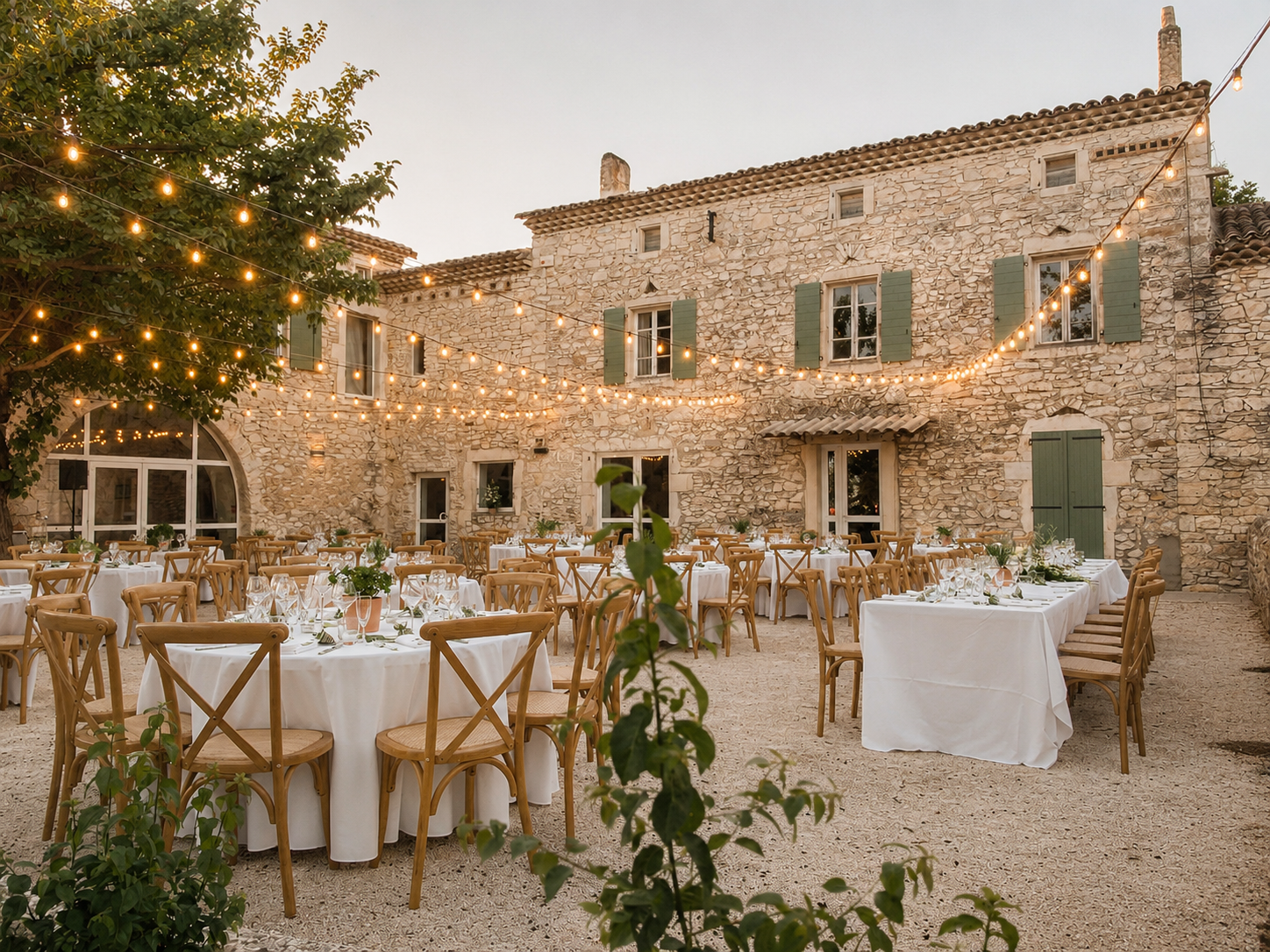
- Domaine des Barrenques : lush and enchanting, this historic monument in Lamotte-du-Rhône in the Vaucluse region can host up to 225 guests within its 6-hectare park.
- Domaine de la Vivande : authentic and intimate, located in the Drôme Provençale, it can host up to 140 guests and offers 51 beds.
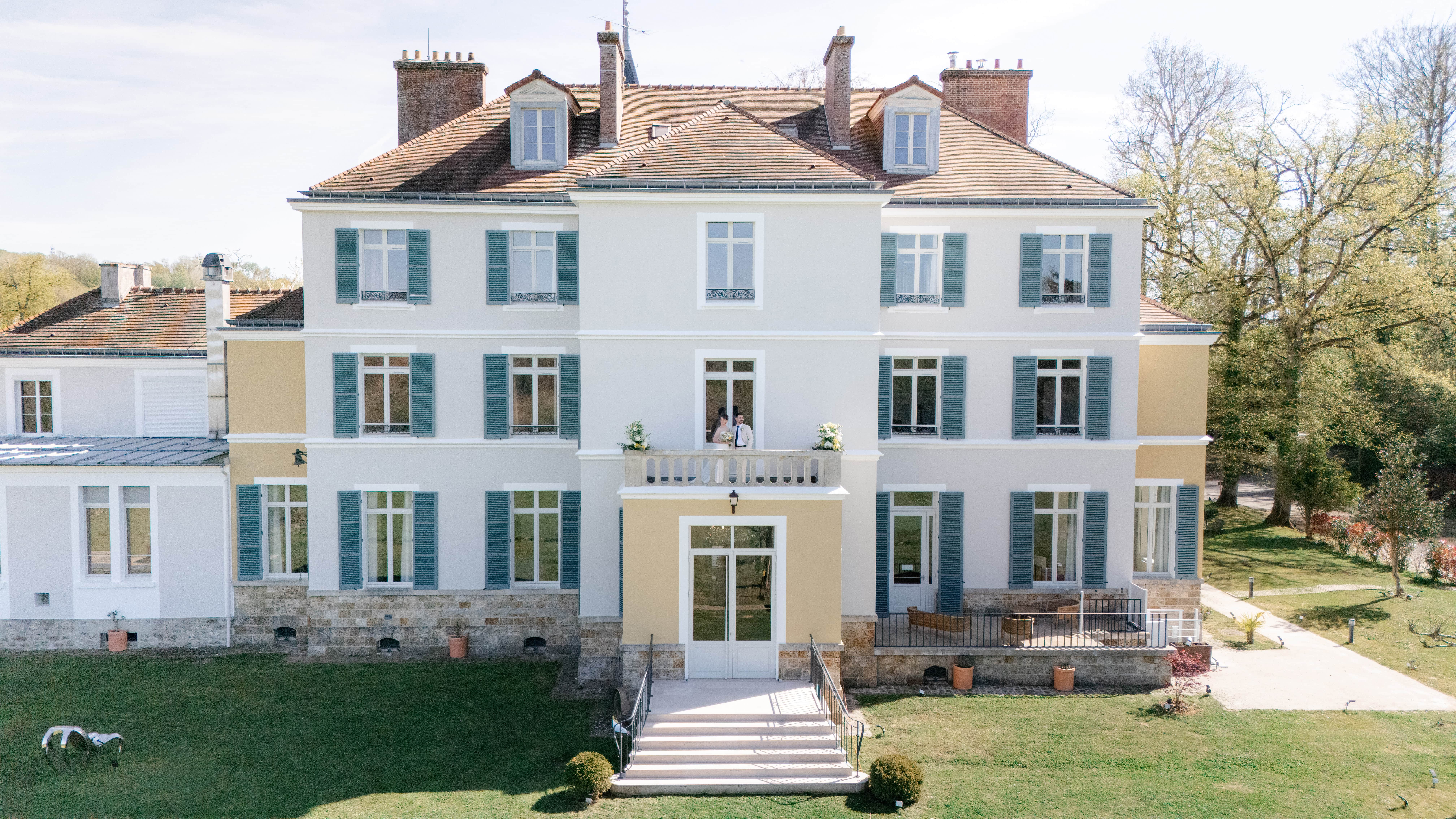
- Domaine d'Aveny : majestic and historic, located about an hour from Paris, it can host up to 220 guests and offers 94 beds.
- Domaine du Grand Morin : natural and poetic, it can bring together up to 150 guests and offers 71 beds.
To refine your choice, discover the 7 criteria for choosing your wedding venue.
In summary: Italian wedding traditions in France
An Italian wedding in France can retain all its authentic charm:
- give a bomboniera to each guest, with five sugared almonds;
- set up a confettata at the end of the reception;
- include the "qualcosa di..." and a bilingual ceremony;
- create a French-Italian menu ;
- liven up the evening with the tarantella and the cutting of the tie.
Are you imagining a French-Italian wedding in a château? Discover our exclusive wedding venues and request your personalized proposal: our team will help you bring your traditions to life on our estates.
FAQ: Italian wedding traditions in France
How many confetti should be given to each guest?
Italian tradition dictates that each guest receives five confetti, tucked into their bomboniera. Sugared almonds are always given in an odd number, as an odd number cannot be divided and symbolizes the cohesion of the couple, according to Matrimonio.com. The five confetti represent five wishes: health, fertility, long life, happiness, and wealth. The calculation is based on the number of invitations sent, not the number of guests present.
What should you put in a bomboniera for a wedding in France?
A bomboniera primarily contains five almond confetti, accompanied by a small keepsake. For an Italian wedding in France, many couples choose a gift that evokes the region of the estate: Marseille soap, a sachet of lavender, a jar of local honey, or a mini-bottle of olive oil. A tag with the couple's names and the wedding date completes the set.
Can you have a confettata with a French caterer?
Yes, a confettata is easy to organize with a French caterer. Simply order the confetti from an Italian or French confectioner and designate a space near the dessert buffet. The caterer will handle the setup and replenishment. The confettata pairs beautifully with French sweets, such as a croquembouche, macarons, or calissons.
Why do Italians avoid getting married on Tuesdays and Fridays?
Italians avoid Tuesdays and Fridays because of a popular proverb: "né di Venere né di Marte non si sposa né si parte" (neither on Venus's day nor on Mars's day do you marry or depart). Tuesday is the day of Mars, the god of war, and Friday is the day of Venus: both days are considered unfavorable for major departures or weddings. This superstition is still followed by many families. For a wedding in France, Saturday or a Thursday in the off-season are therefore popular options.
How do you organize a secular ceremony in both Italian and French?
A bilingual secular ceremony relies on an officiant who is fluent in both languages, or two officiants who share the speaking duties. Readings can be assigned to loved ones from each family in their respective languages. A bilingual ceremony program helps all guests follow along. The couple's vows can be spoken in the language of their choice and then translated in the program.
Domaines & événements: a collection of exceptional estates
Domaine des Barrenques, Domaine de la Vivande, Domaine d'Aveny, and Domaine du Grand Morin are part of the Domaines & événements collection, which brings together eight exclusive venues dedicated to weddings, seminars, and private events.
Each estate has its own unique identity:
- Domaine de la Vivande : authentic and intimate
- Domaine de la Thibaudière : elegant and enchanting
- Domaine de Vaujoly : sparkling and festive
- Domaine de la Roche Couloir : captivating and unique
- Domaine d'Aveny : majestic and historic
- Domaine des Barrenques : lush and enchanting
- Domaine du Grand Morin : natural and poetic
- Domaine de la Huguenoterie : rustic and welcoming
These venues share the same philosophy: to offer human, friendly, and inspiring experiences in heritage sites surrounded by nature.
Discover also
Canadian wedding in France: how to plan it?
Are you a Canadian couple dreaming of a destination wedding in France? From legal requirements and budgets to the best seasons and venues, here is our guide to hosting an exceptional château wedding.
Late 2026 and 2027 promotional offers
Weddings, private events: enjoy the exclusivity of an exceptional estate from our collection of 8 Domaines & événements venues. Discover our availability and offers for 2026 and 2027.
%20(1).webp)
Seminars: why choose a character estate ?
Château, manor, or wine estate: why choose a venue with character for your corporate seminar? Benefits, key figures, and practical advice.
Hanukkah 2026: how to celebrate the Festival of Lights in a private estate
Celebrate Hanukkah 2026 from December 4th to 12th at a private estate in France. Discover the Domaine de Vaujoly and the Domaine du Grand Morin for an unforgettable Festival of Lights.
Our estates at the doorstep of France's most beautiful monuments
Discover why our Vivande, Vaujoly, and Thibaudière estates are located in the heart of French heritage, nestled among exceptional châteaux and cathedrals.
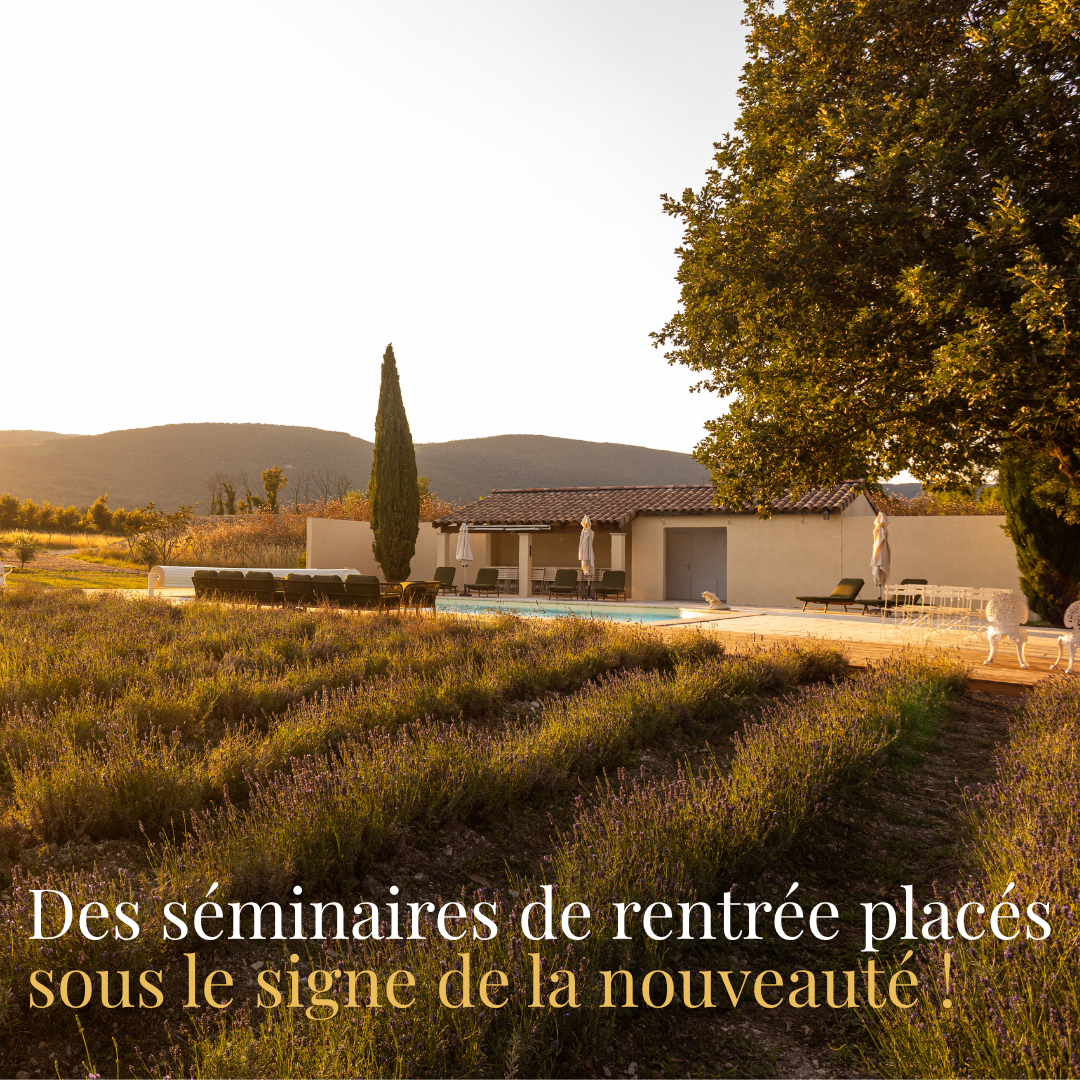
Back-to-work seminars: 15% off your events for the grand opening of Domaine de la Huguenoterie and Domaine de la Vivande
Back-to-school seminar at La Huguenoterie or La Vivande: 15% off your events at our 2 new estates, valid until 11/30/2026.
.jpg)
Domaines & événements at the September 2026 Wedding Fair in Paris
Visit Domaines & événements and our 8 wedding venues at the Paris Wedding Fair on September 5th and 6th, 2026, at Porte de Versailles, booth 200.
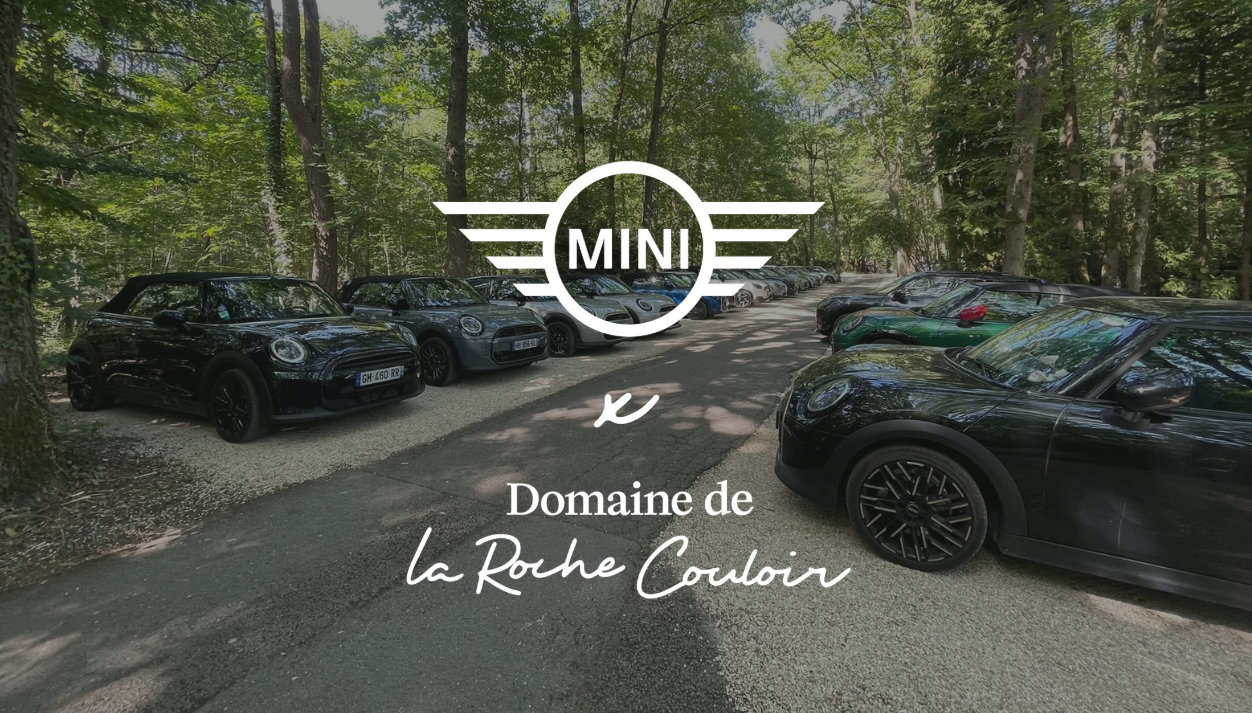
BMW Mini at the Domaine de la Roche Couloir
A look back at the BMW Mini rally held at Domaine de la Roche Couloir: an outdoor afternoon tea, an awards ceremony, and a social gathering in the forest.
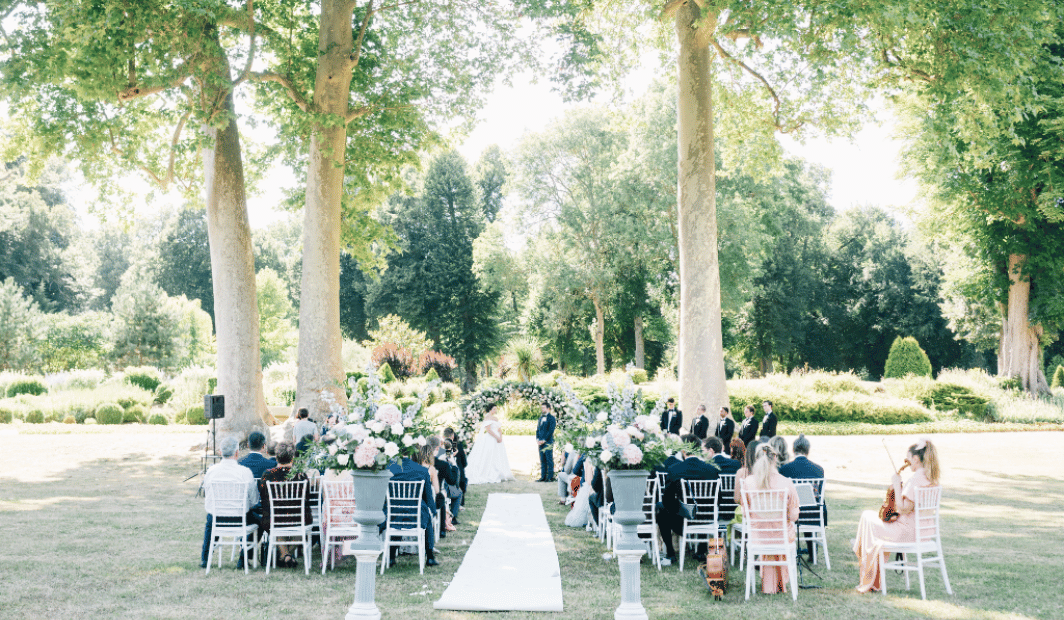
Castle Wedding: How to Organize an Unforgettable Outdoor Secular Ceremony?
Discover how to organize an unforgettable outdoor secular ceremony at a French chateau. Historic scenography, light management, acoustics, and orangery backup plan.

Why are more and more couples choosing an estate to get married?
Discover why renting a wedding estate in France is the perfect choice for couples. Enjoy total privacy, natural settings, and on-site accommodation.
Wedding Estate vs Reception Hall: which One to Choose?
Discover the difference between a wedding estate or venue. Enjoy total privatization, on-site accommodation, and a timeless immersion for your reception.
Destination Wedding in France: how to Plan an Exceptional Wedding Weekend?
Discover how to organize an unforgettable destination wedding by choosing France. Plan an exceptional weekend in authentic, fully privatized estates.
10 Team Building Activities to Organize in a Private Estate
Discover 10 inspiring team building activities in a private estate for your corporate retreats and green seminars. Boost team cohesion.
Getting Married in a Castle: The Complete Guide to Successful Planning and Budgeting (Step-by-Step Timeline)
Discover the complete guide to organizing your wedding in an exceptional estate. Master your budget and your step-by-step planning timeline.

Corporate event room rental : why a Private Estate Changes Everything
Discover why choosing a seminar room rental in a private estate transforms your corporate events. Authentic team building and total disconnection guaranteed.
How to choose your wedding venue: 7 criteria you shouldn't overlook
Discover the 7 criteria for finding the ideal estate for your wedding. From guest capacity to the style of the building, create an unforgettable event.
Le Domaine du Grand Morin partenaire du festival Traditions & Terroirs 2026
Le Domaine du Grand Morin, domaine de la collection Domaines & événements est partenaire du festival Traditions & Terroirs qui a lieu le 23 août 2026 à Saint-Cyr-sur-Morin.

Countryside back-to-work seminar: organizing an offsite in the country
Whether it's a back-to-school retreat or a last-minute event, discover why hosting a seminar in the countryside at a private estate changes everything.
From country houses to exceptional estates: new ways to gather
Seminars, weddings, family reunions, or creative retreats: discover why private estates are reinventing the art of gathering. Domaines & événements is here to guide you.
Why Renting a Large House Is the Best Way to Bring the Whole Family Together
Rent a character house to bring the whole family together. Comfort, shared spaces and total freedom. Discover the Domaines & événements Estate Houses.
.jpg)
Who Are the New Players Reinventing Event Hospitality in France?
Châteauform', Fontenille, Groupe Amadeus... An overview of the players reinventing corporate events, weddings, and private receptions in France, and where Domaines & événements fits in.
Domaine de la Vivande featured in Le Dauphiné Libéré
Read the article in Le Dauphiné Libéré about the pre-inauguration of Domaine de la Vivande and its opening in the heart of Drôme Provençale.

The notable figures who have chosen our venues
For several years, the eight estates of Domaines & événements have served as the backdrop for milestone moments for figures from film, television, sports, and the web, whether for a film shoot, a competition, or a celebration.
Major trends for private events in 2026
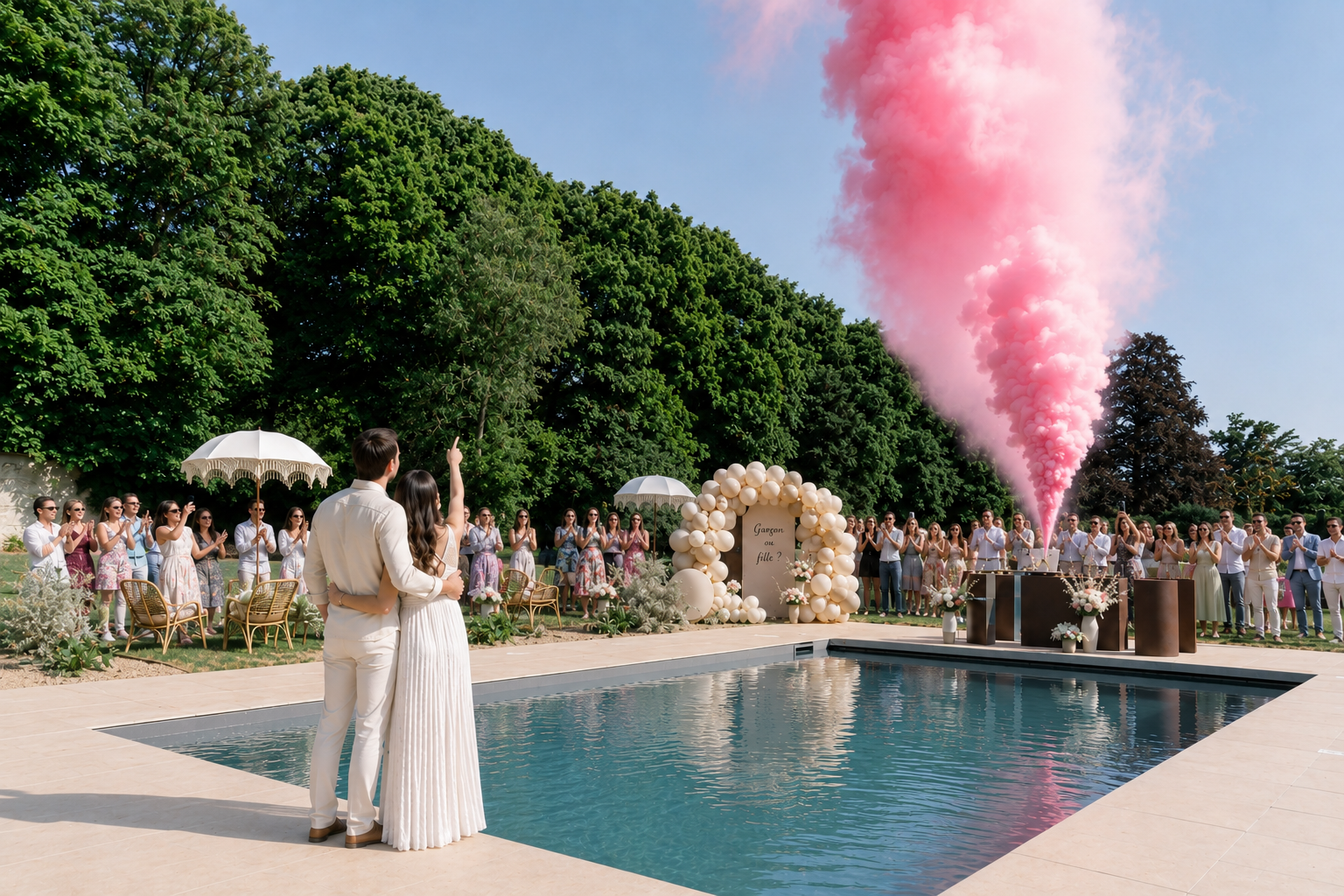
Birthday, baby shower, gender reveal, engagement party, retirement or summer party: private events are evolving towards more authentic, personalised and convivial celebrations. Discover the trends shaping 2026.
.jpg)
Experience a French-style stay in our charming character homes
Looking for an escape? Discover our charming homes just outside Paris, in Normandy, Centre-Val de Loire, and Provence, for a French-style getaway.
Host your private event in an exceptional venue
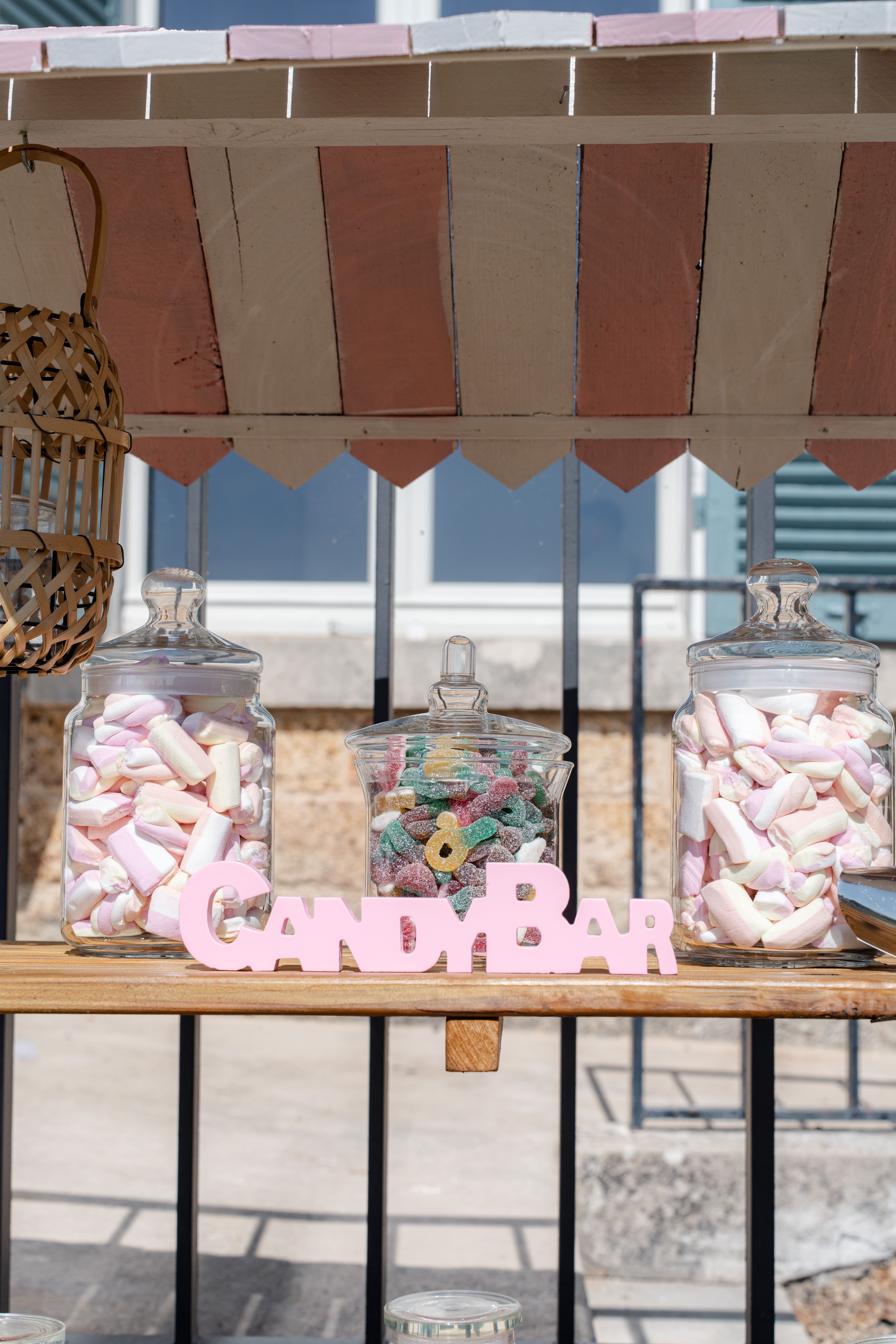
Birthday, baby shower, engagement, bar mitzvah, pool party, or retirement party: discover how Domaines & événements hosts all your private events at its 8 exceptional estates, located between Paris, Normandy, Centre-Val de Loire, and Provence.
The Complete Guide to Destination Wedding by D&é
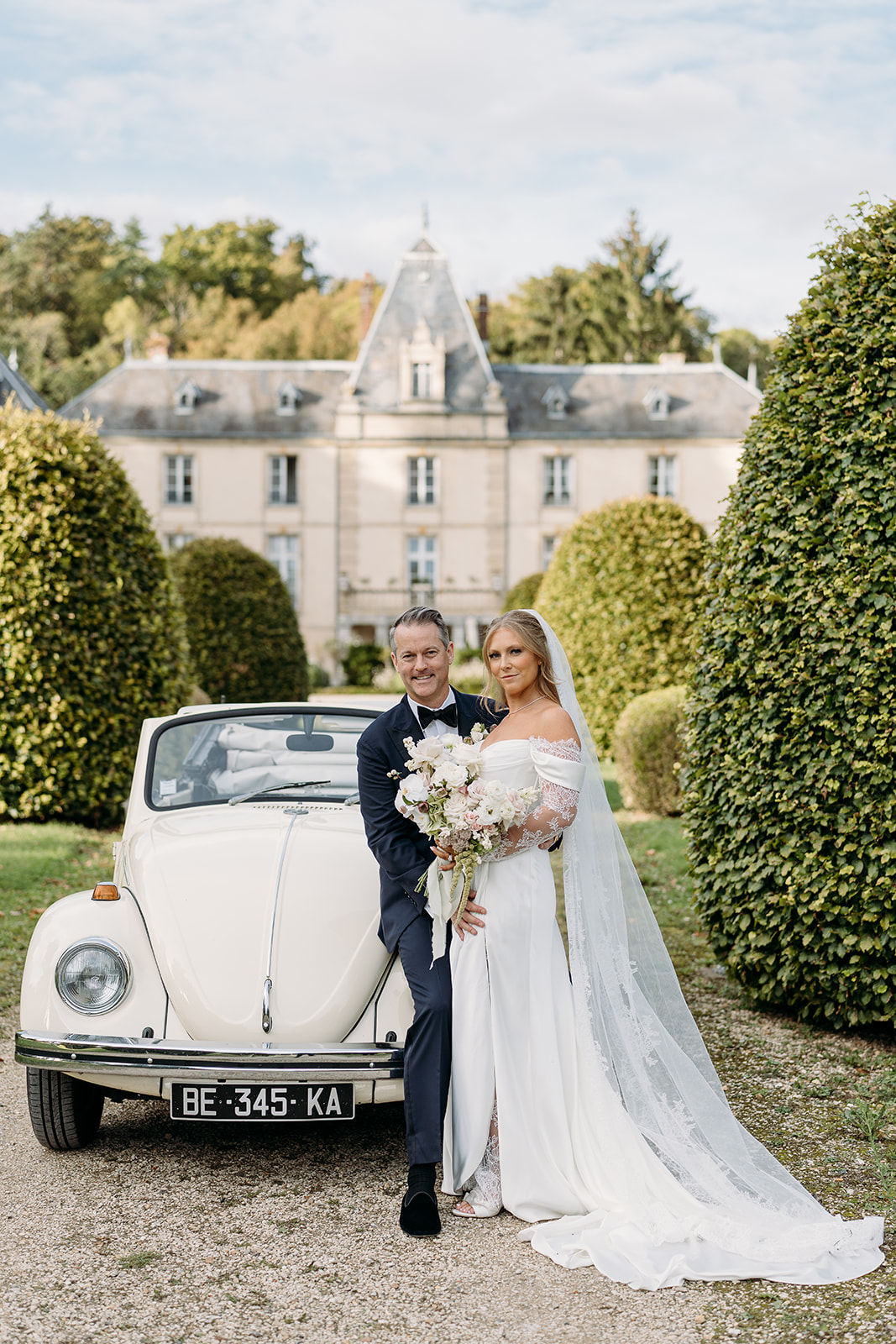
Organising a destination wedding in France when you live abroad is a dream, but it requires planning and foresight. Here are our 10 essential tips for a successful wedding in France as an international client.
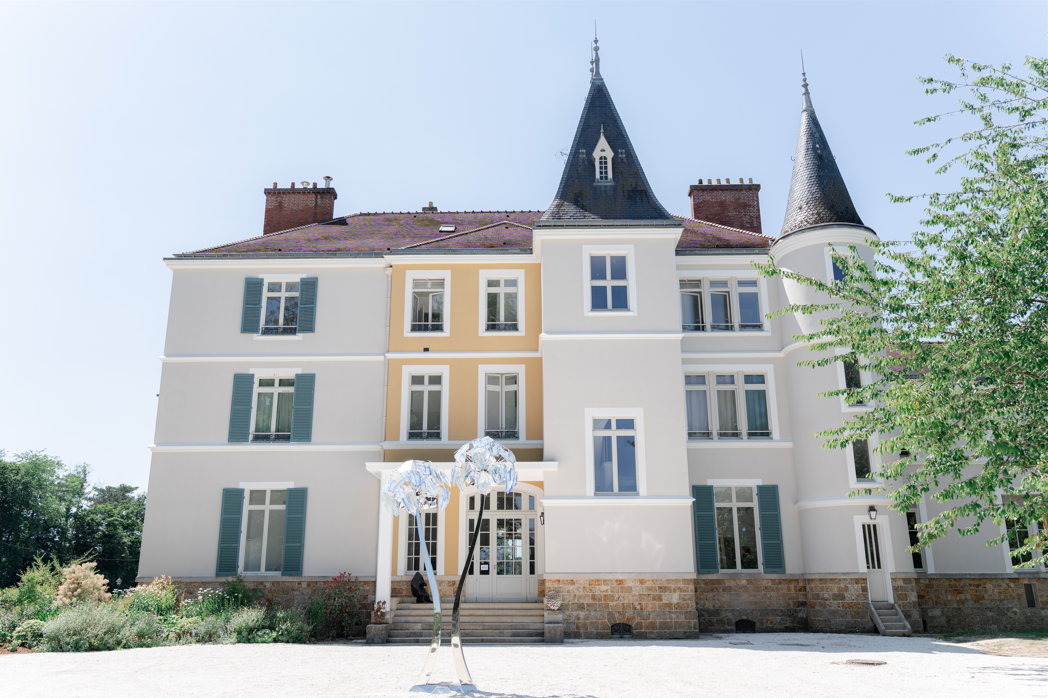
Le Grand Morin: where Paris fades away and memories begin
Between preserved nature and exceptional sites, the Domaine du Grand Morin is much more than an event venue. It is the starting point for an unforgettable experience.

Our Pre-Season Corporate Event: A Day to Bring Together & Belong Together
Some days set the tone for an entire season. Our pre-season corporate event, organised at the Domaine d'Aveny, is one of them. A day designed to meet again, strengthen our ties and approach the new season with energy and cohesion.

What is there to do around the Domaine de la Vivande in Provence?
Grignan, Mirmande, Montélimar... Discover 5 essential getaways less than an hour from the Domaine de la Vivande, in Marsanne in Drôme Provençale.
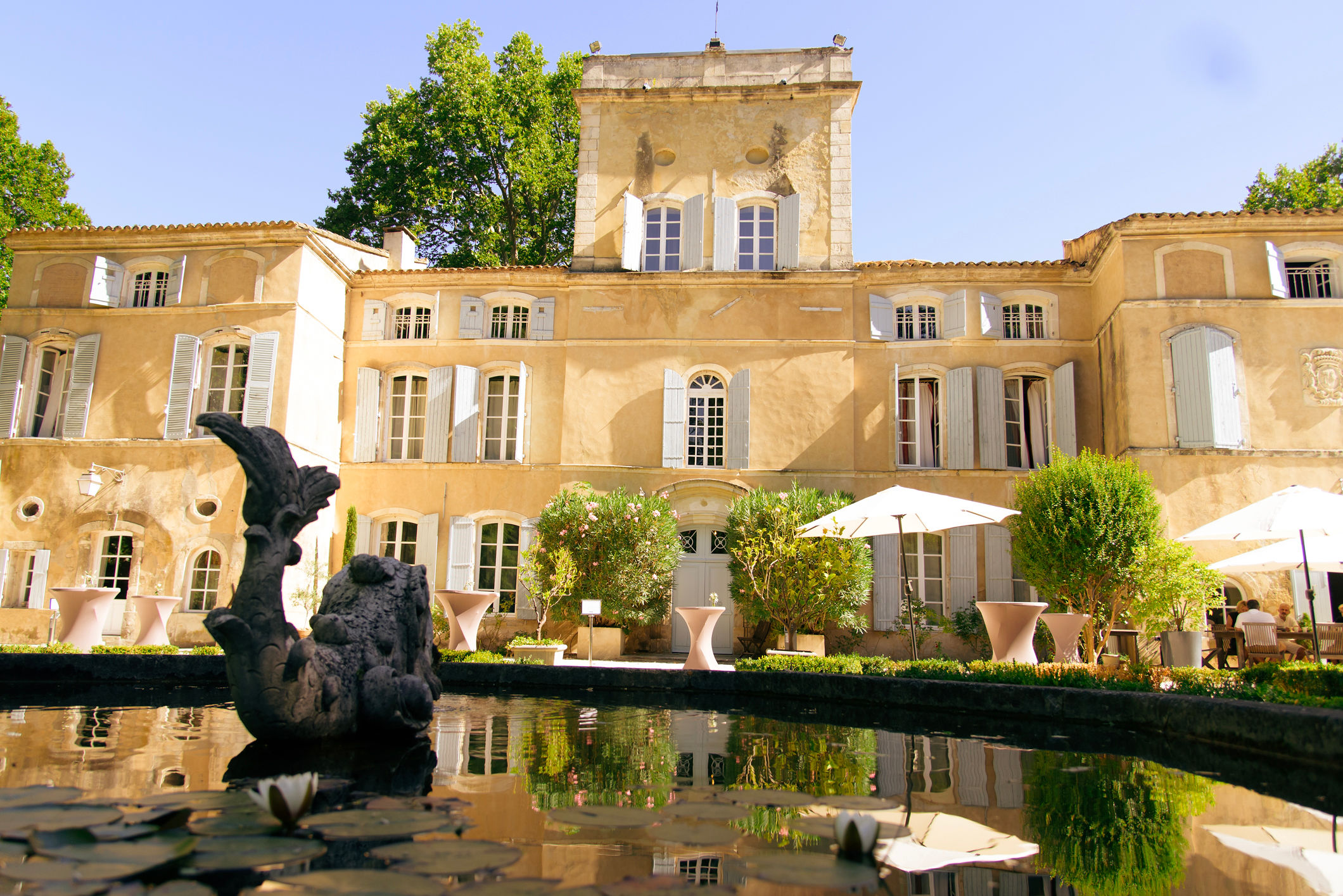
What to do around Domaine des Barrenques?
Pont du Gard, Avignon, Châteauneuf-du-Pape, Orange, Saint-Rémy… Discover 5 unmissable day trips within an hour of the Domaine des Barrenques, in Provence.

New! Domaine de la Huguenoterie, Event Venue in Normandy, 1 hour from Paris
Exclusive-use estate with accommodation 1 hour from Paris, in Normandy. Weddings, countryside seminars, private events. 10 to 160 people. Up to 62 guests accommodated on site.
Virtual Solution 3D: our go-to partner for showcasing our exceptional venues
At Domaines & événements, Virtual Solution 3D enhances our exceptional venues through an approach combining cinematic video and immersive 3D virtual tours. Their work allows our clients to fully envision themselves in our estates even before they arrive.

Pessah 2026: Celebrate Freedom in an Exceptional Venue
Host an unforgettable Pessah event at a natural estate, with welcoming spaces and services tailored to your needs.

Where to Host Eid al-Fitr? Venue Ideas for an Unforgettable Celebration
Organise your Eid al-Fitr at an exceptional venue: locations, traditions, tips, and custom reception in France.

What is there to do around Domaine de la Thibaudière?
Discover what to do around Domaine de la Thibaudière: Château de Maintenon, Château de Rambouillet, Royal Chapel of Dreux, and Eure Valley. Ideas for nature and heritage visits less than an hour from Chartres and the Yvelines.

What to do around Domaine de Vaujoly? Culture and heritage between Chartres and Paris
What to visit around Domaine de Vaujoly? Discover Chartres Cathedral, Maison Picassiette, the Marcel Proust Museum, and Château de Swann. Ideas for cultural and nature visits 20 minutes from Chartres and 1 hour 10 minutes from Paris.
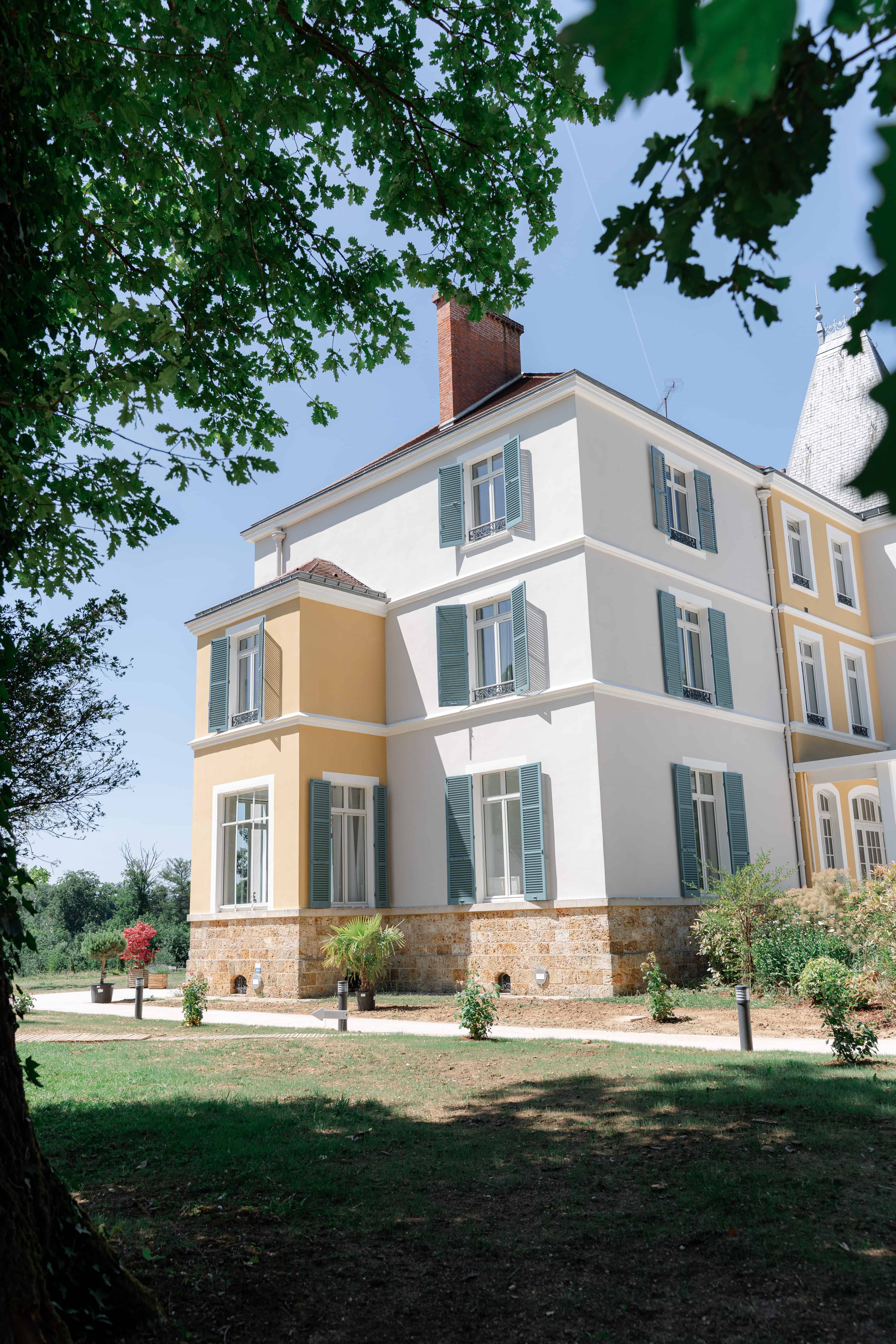
Key questions to ask before choosing your wedding venue
Essential questions to ask before booking a wedding venue: capacity, accommodation, timings, caterer, and wedding day organisation.
Winter Party 2026: Domaines & événements Partner Evening
A recap of the Winter Party 2026 at Domaine de la Thibaudière, a partner event bringing together wedding planners and service providers from Domaines & événements.
Spring Festival: celebrating Chinese New Year at an exceptional venue
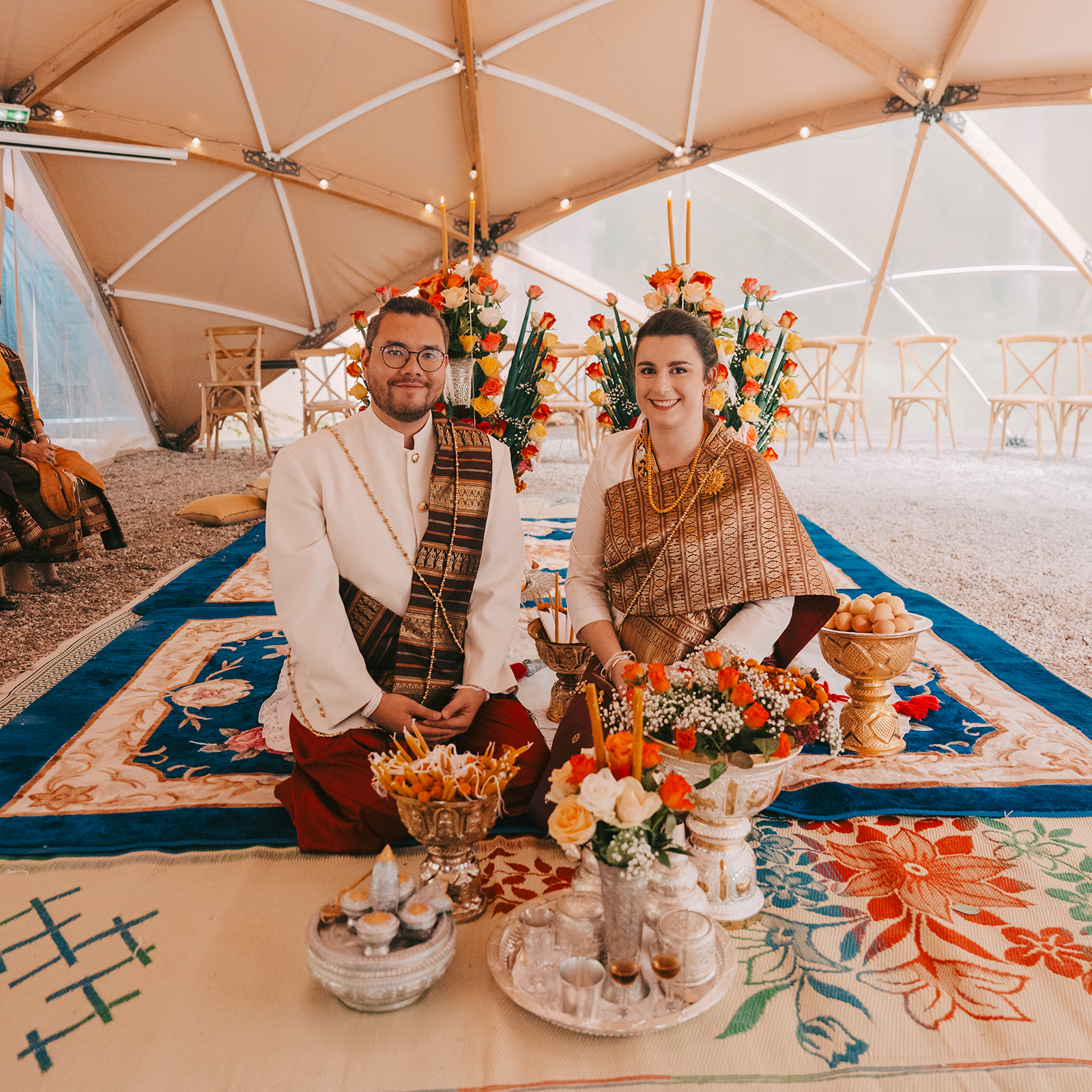
Host a Chinese wedding in France or celebrate the Spring Festival at an exceptional venue combining tradition, elegance, and heritage.

MICE Trends 2026: Corporate Seminars Reinvent Themselves
The green corporate event is becoming strategic. Discover the new MICE 2026 trends: event venues, offsites, flexible event management, and responsible seminars.
Last available dates 2026 at our venues for your events
Discover the last available dates for 2026 at our exceptional venues to host your event, with preferential rates on the remaining slots.
.jpg)
Wedding Awards 2026: Domaine d’Aveny, Vaujoly, and la Roche Couloir, awarded by Mariages.net
Mariages.net's 2026 Wedding Awards recognise Domaine d’Aveny, Domaine de Vaujoly, and Domaine de la Roche Couloir, three wedding venues celebrated for the quality of their service.
Afterworks Galette: when our wineries open their doors
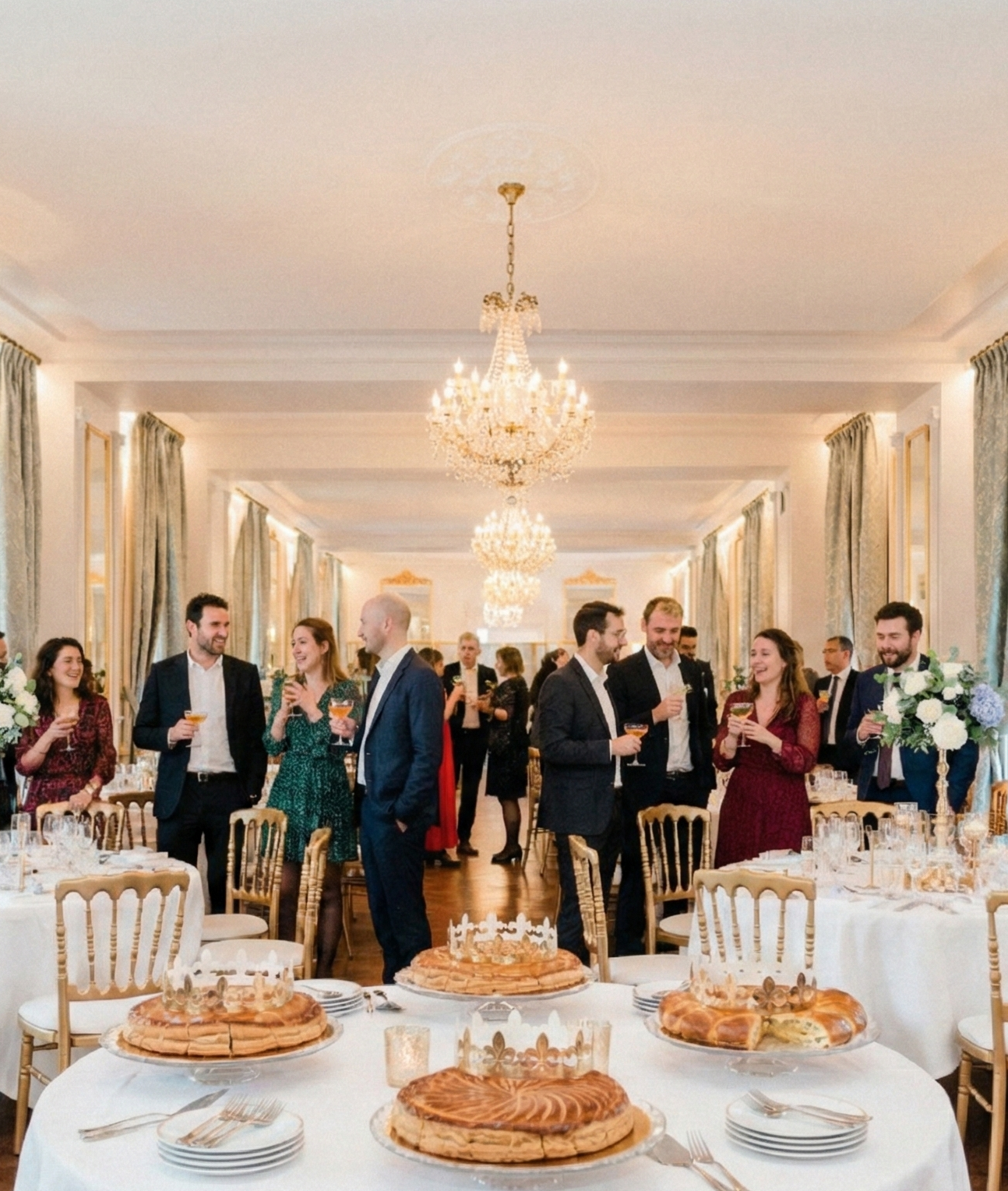
In January, Domaines & événements organised three “Galette & Pots des Voisins” afterworks in its venues Aveny, Vaujoly and Grand Morin. Moments of sharing and discovery, bringing together nearly 160 participants around visits, exchanges and delicacies.

Domaines & événements at the 2026 Paris Wedding Fair
Domaines & événements will participate in the 2026 Wedding Fair, on January 31 and February 1 at Paris Expo Porte de Versailles stand 87, to present 8 exceptional areas dedicated to weddings. Come and meet us to discover unique places, discuss your project and imagine a wedding in your image.

D&é at the Assistant (e) Plus Afterwork, a springboard for Domaines & événements
Domaines & événements presents its exceptional locations during the Afterwork Assistant (e) Plus and meets professionals.
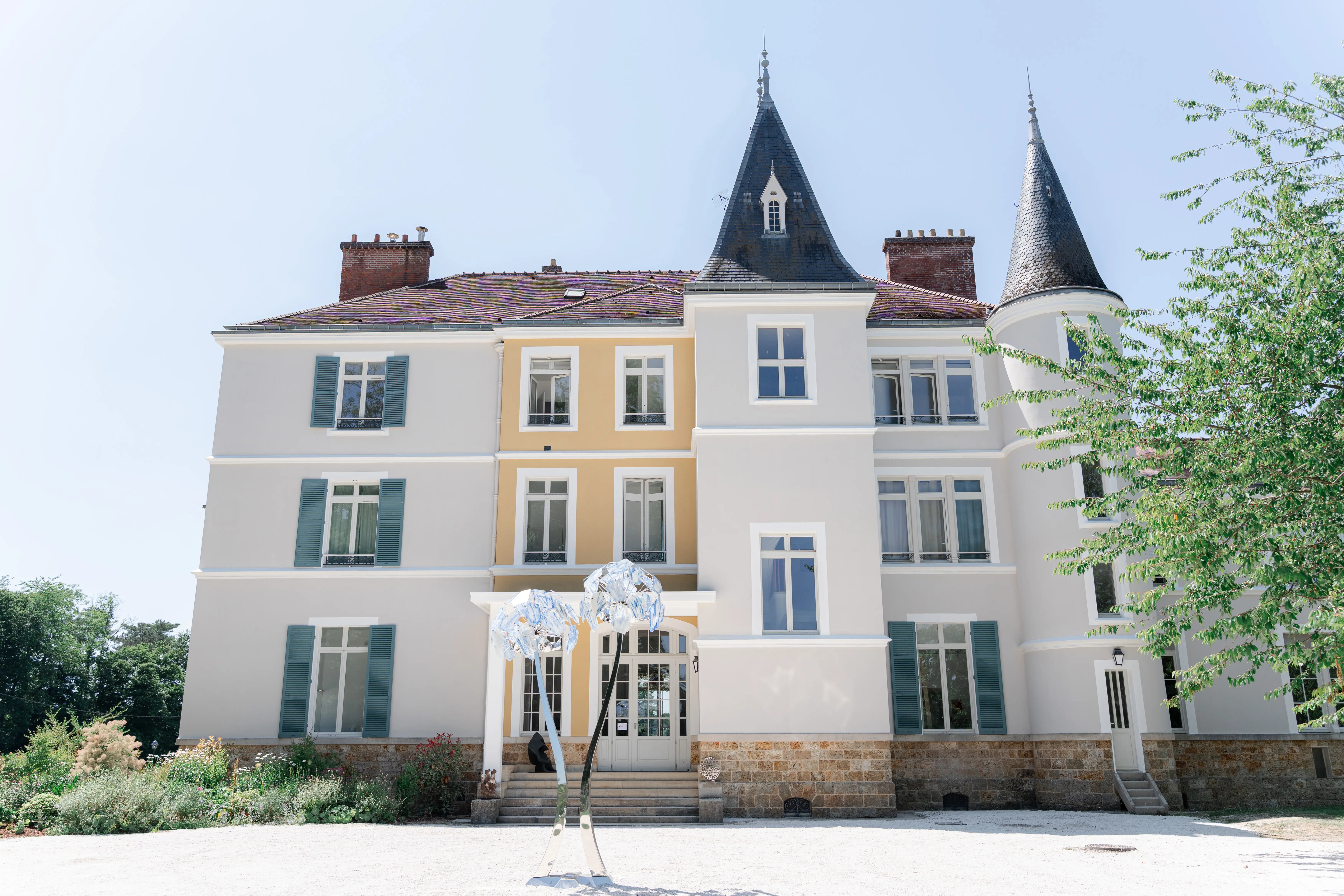
Wedding 2025: a ritual that keeps pace with society and new trends
Discover how the wedding in 2025 is evolving with new trends, the influence of social networks and the expectations of couples for more personalised and immersive celebrations.
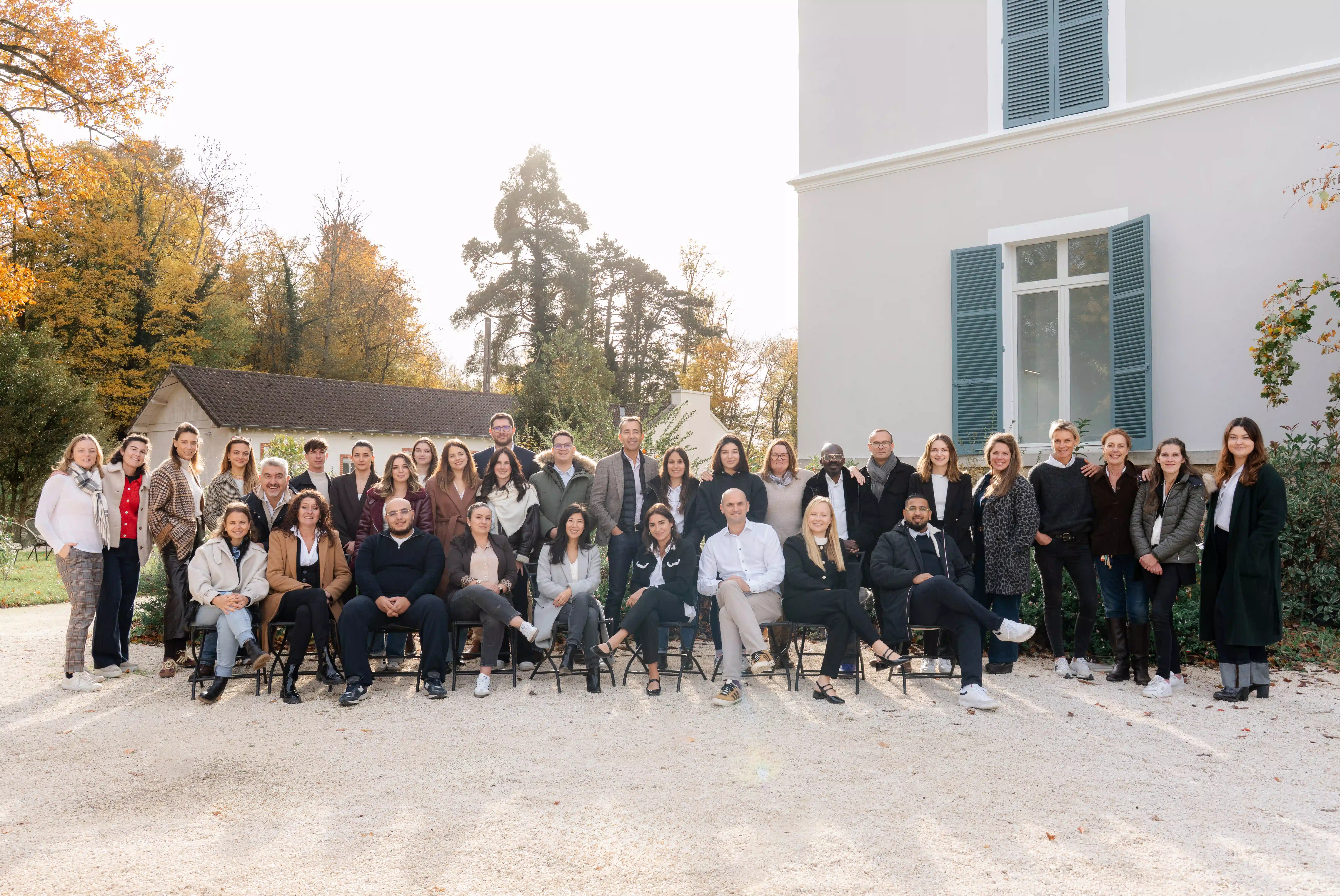
2025 season draws to a close: D&é corporate event at Domaine du Grand Morin
End of the 2025 season for Domaines & événements! Two days of corporate event at the Domaine du Grand Morin, punctuated by the conviviality, cohesion and collective energy that make up the DNA of D&é.
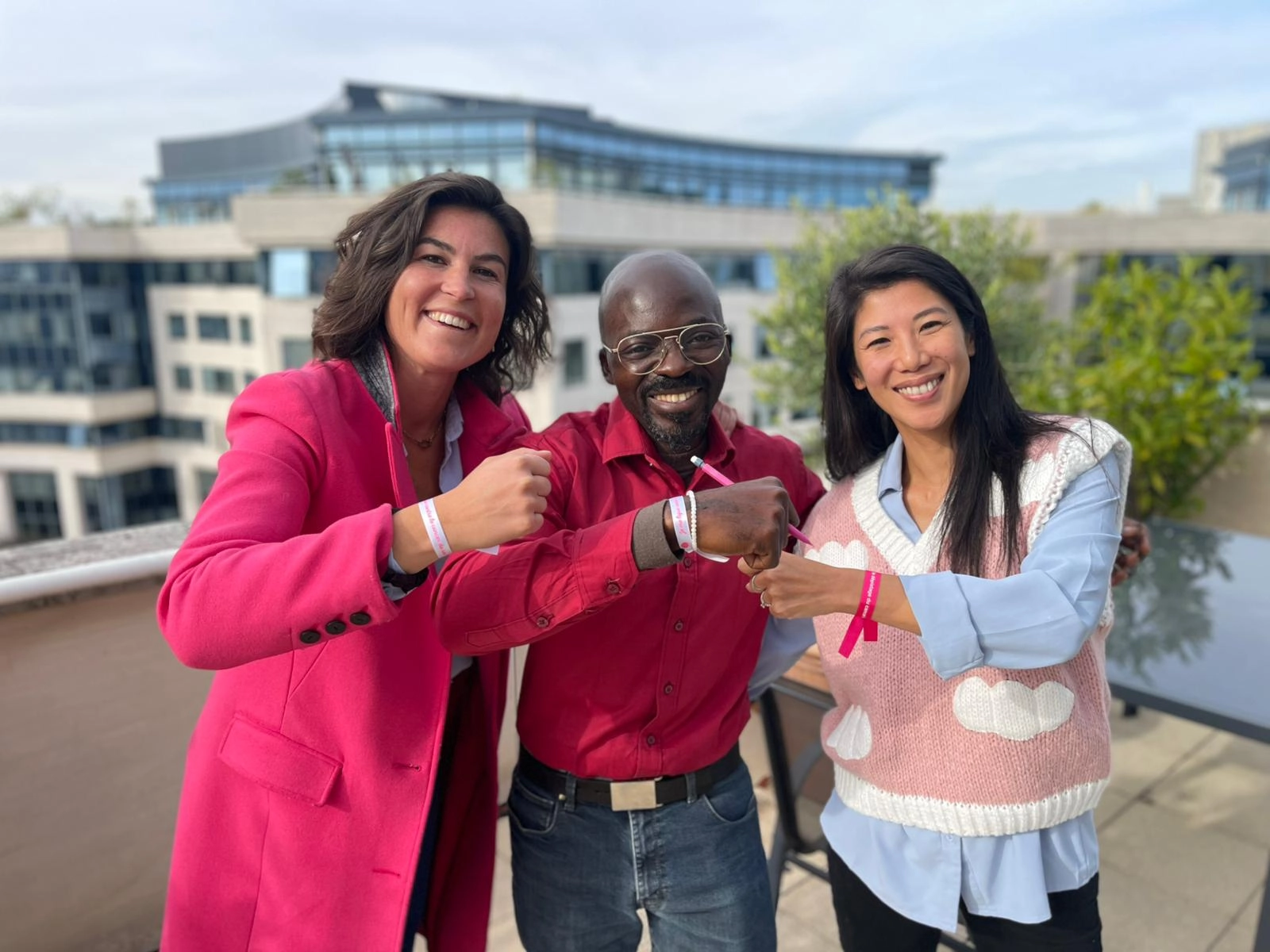
United & Reunited: Domaines & événements Supports Pink October
Brought Together & Belonged Together, the Domaines & événements teams are mobilising for Pink October, combining solidarity, hope and collective commitment against breast cancer.
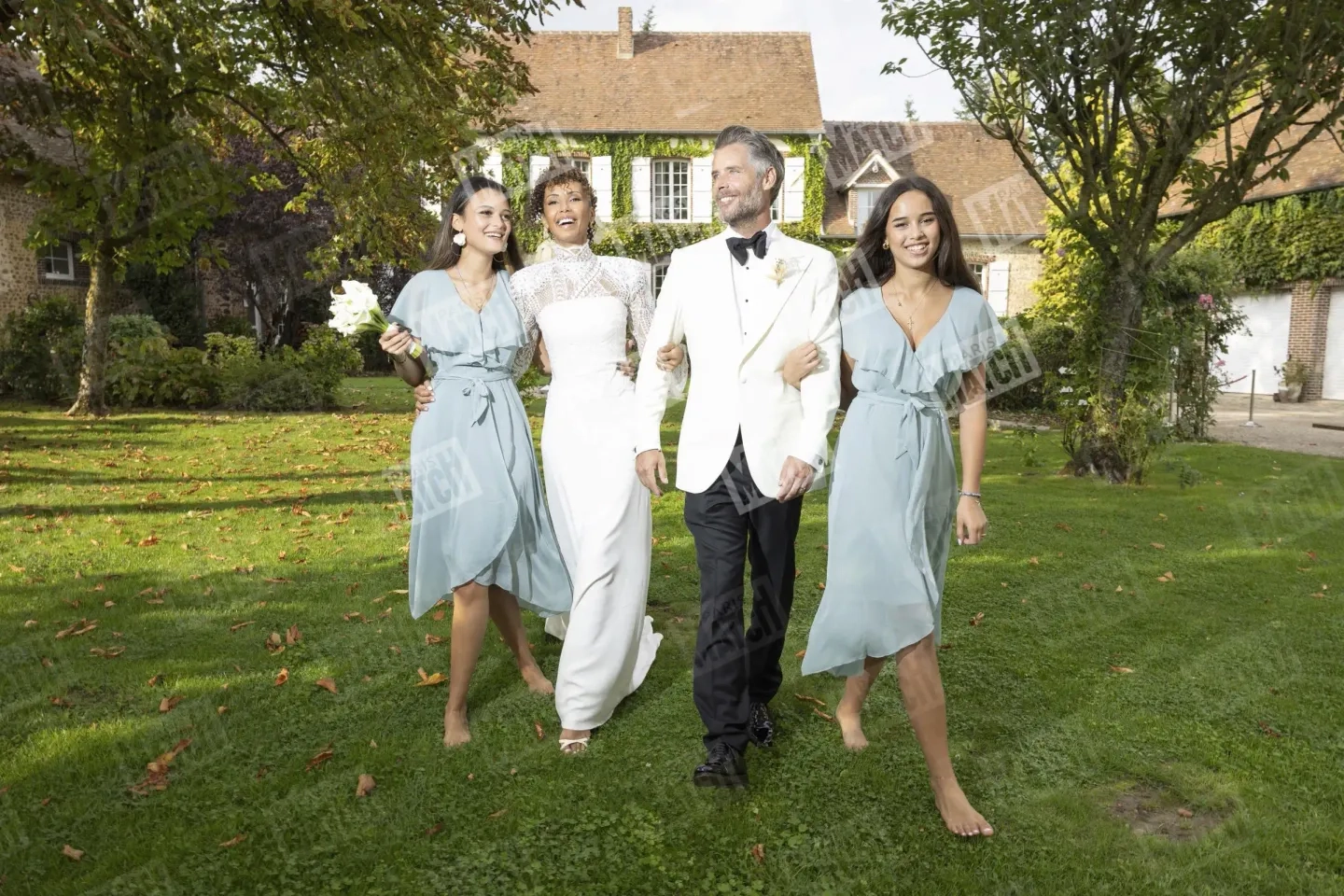
Sonia Rolland and Guillaume Gabriel's Union at Domaine de Vaujoly
Domaine de Vaujoly had the honour of hosting the wedding of Sonia Rolland and Guillaume Gabriel, an exceptional celebration blending French elegance and Rwandan traditions.
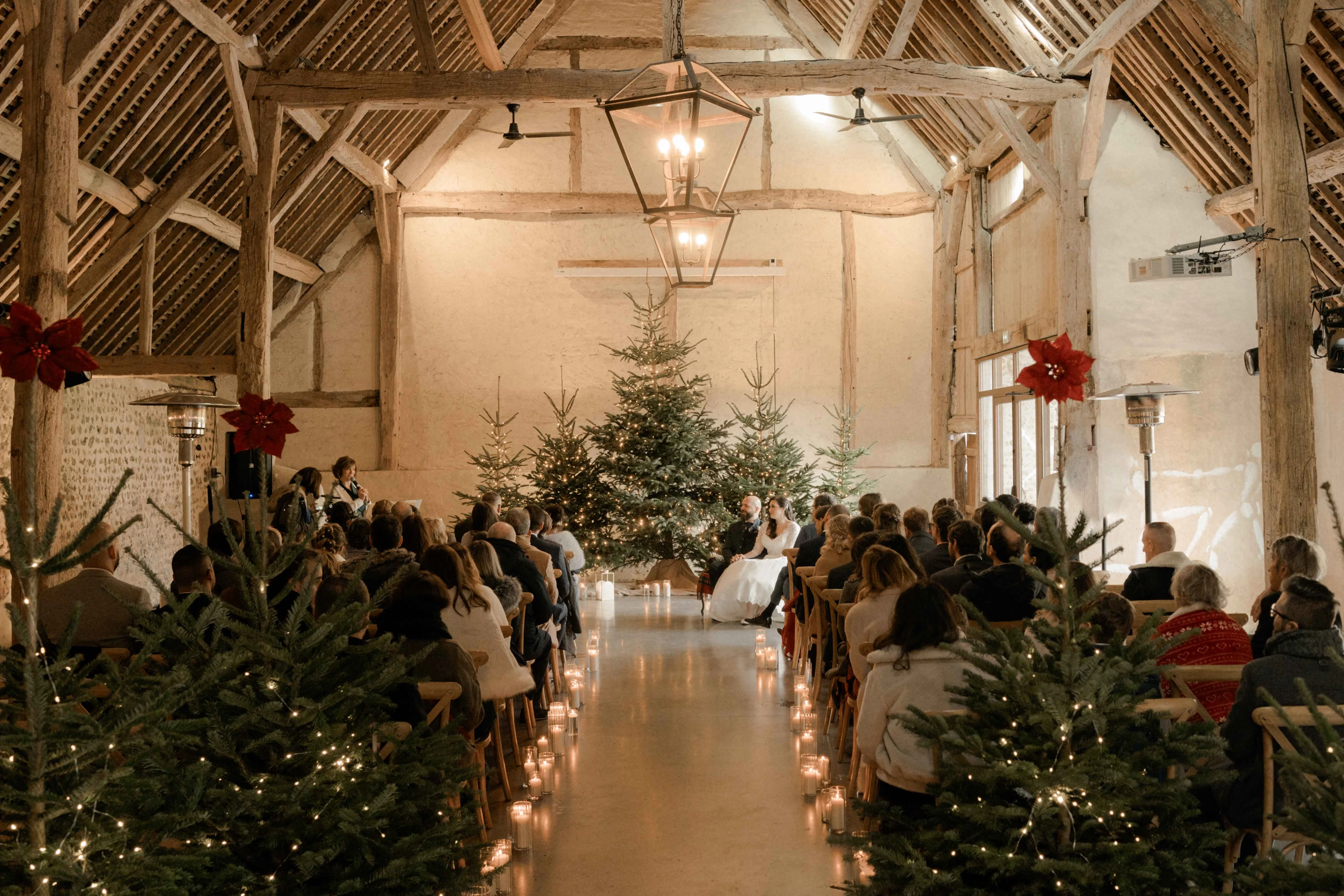
Saying "I Do" in winter: why choose a winter wedding at our exceptional estates?
Discover why a winter wedding at our exceptional venues offers charm, elegance, and unforgettable memories.

Domaine de la Vivande: 7th venue in the Domaines & événements collection
Domaine de la Vivande will open in 2026 in Marsanne, offering an exceptional setting amidst heritage, nature, and breathtaking views of the Vercors.
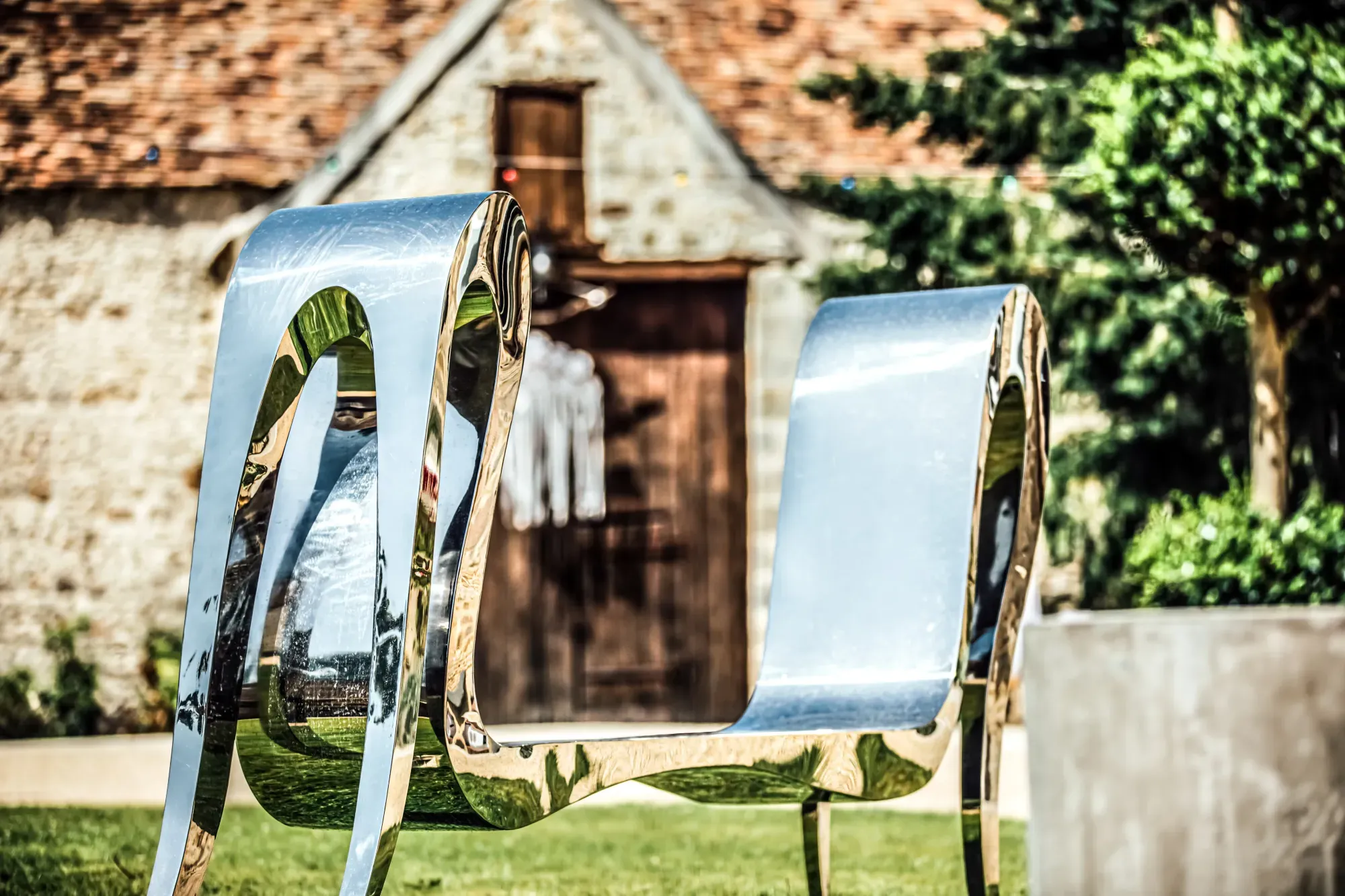
What if art transformed your experience at Domaine de la Thibaudière?
At Domaine de la Thibaudière, contemporary art is present in every corner, transforming your corporate event or stay into a truly aesthetic and inspiring experience.
.jpg)
Art at the heart of Domaines & événements: an encounter at Domaine du Grand Morin
At Domaine du Grand Morin, art converses with heritage and nature. Nicolas Tommasini, the group's president, shares his vision in a video of living art that inspires seminars and weddings.
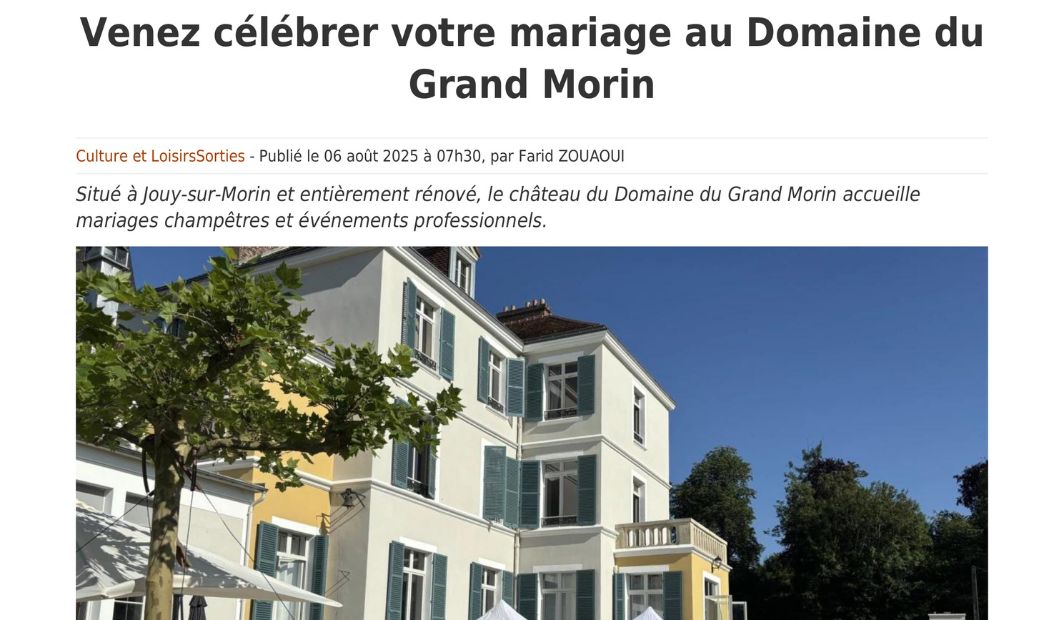
The Grand Morin Estate featured in Seine-et-Marne's “Le Moniteur” newspaper
In Jouy-sur-Morin, Domaine du Grand Morin embodies the revival of a heritage site, combining nature, art, and conviviality for weddings and seminars, as highlighted in Le Moniteur de Seine-et-Marne.
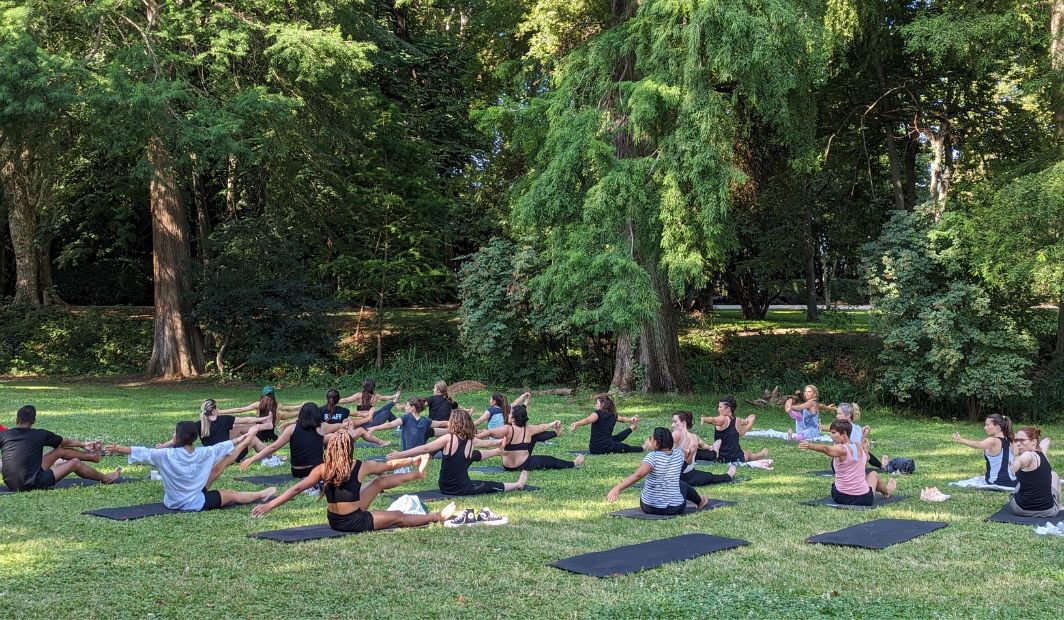
5 ideas for a successful back-to-school corporate event
Offer your teams a kick-off seminar that is rejuvenating, structuring, and inspiring. Discover 5 practical ideas for organising a successful team event at Domaines & événements' exceptional venues.
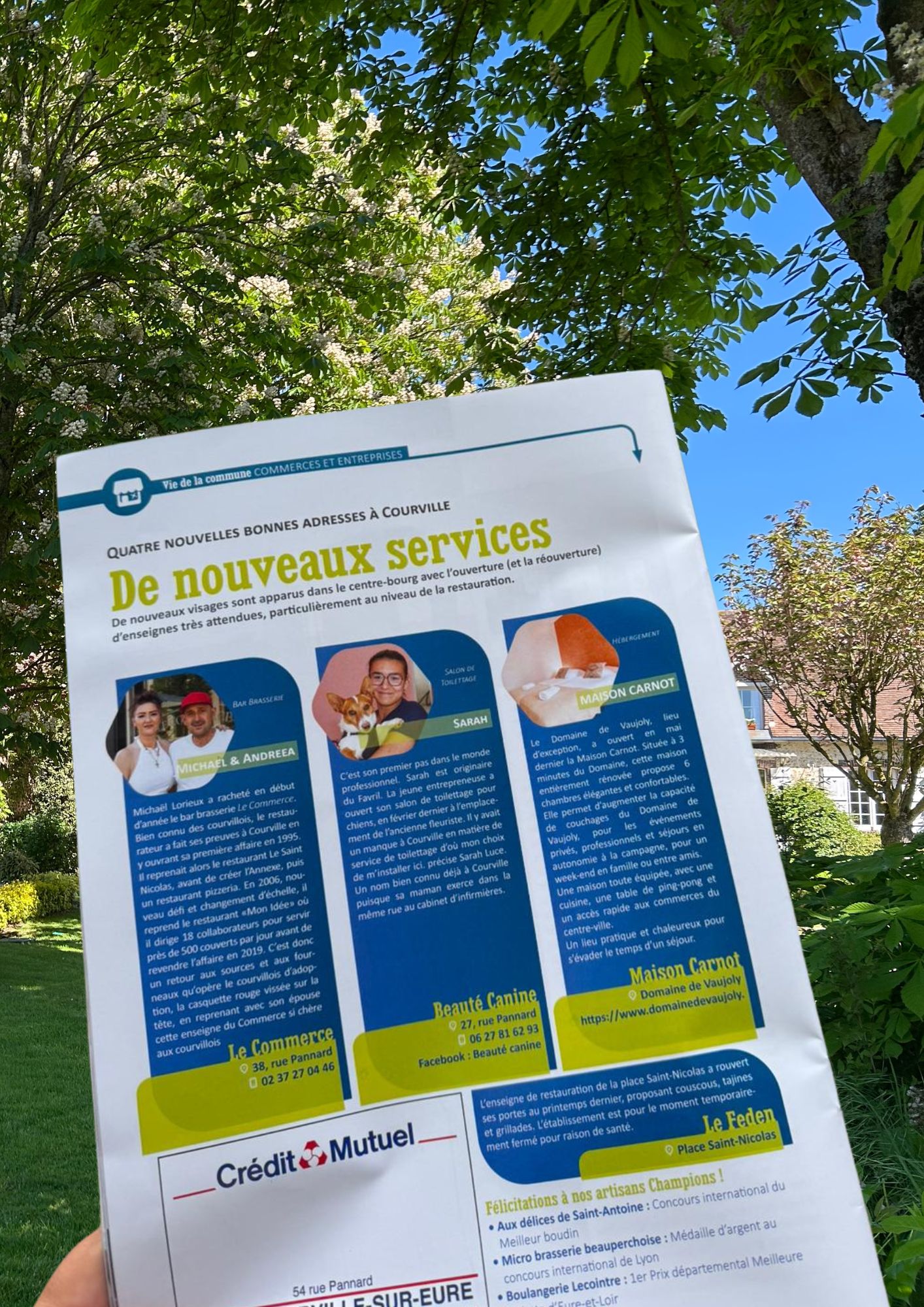
Courville Info highlights Maison Carnot: the new house at Domaine de Vaujoly.
The July 2025 Courville Info newsletter features a great article on Maison Carnot, renovated and designed to host families, wedding guests, or seminars, and located near Domaine de Vaujoly,

Le Parisien: Why is Domaine du Grand Morin so appealing on the outskirts of Paris?
Le Parisien highlights Domaine du Grand Morin, a 19th-century château in Seine-et-Marne, as a premier venue for countryside weddings and seminars. This iconic location, a member of Domaines & événements, appeals with its natural setting, flexibility, and proximity to Paris.

Inauguration of the Domaine du Grand Morin
On June 18, 2025, Domaines & événements inaugurated the Domaine du Grand Morin, its 6th reception venue, following a renovation blending heritage and sustainability. Nestled by the river in Seine-et-Marne, this 19th-century château becomes an exceptional venue for weddings and seminars.
.jpg)
Domaines & événements featured in the event industry press!
My Business Event highlights Domaines & événements and its collection of unique green venues, perfect for inspiring seminars. Discover how our human-centric and heritage-focused approach is reinventing professional events.

Le Grand Morin awarded the 2024 Regional Tourism Fund Trophy
Domaine du Grand Morin receives the 2024 Tourism Trophy for its sustainable transformation into an event venue nestled in nature. An inspiring project by Domaines & événements, balancing heritage, ecology, and local impact.

Launch of the 2025 season: our internal corporate event at Domaine de Vaujoly
On April 24, 2025, Domaines & événements kicked off its season with an internal seminar at Domaine de Vaujoly, combining a plenary session, a collaborative workshop, an Easter egg hunt, and festive moments. It was a day rich in discussions, projects, and team spirit, all in preparation for the busy season ahead.

Gerflor chooses Les Barrenques for its corporate event in Provence
Gerflor organised its corporate seminar at Domaine des Barrenques, an exceptional venue from our D&é collection in Provence. An authentic and natural setting, ideal for combining work, inspiration, and conviviality.
.jpg)
International Women's Day Celebrated at Domaine des Barrenques
This Saturday, March 8, 2025, Domaines & événements, in collaboration with Domaine des Barrenques, is honoured to invite you to a unique celebration of female talent in the automotive industry.

D&é at the CSE - Eluceo 2025 Exhibition: a notable presence!
Back on the 30th CSE - Eluceo Exhibition at the Stade de France, where Domaines & événements made a notable presence among event industry professionals.
.jpg)
Our venues, winners of the Mariages.net Wedding Awards 2025
It is with immense pride that we announce that 100% of our venues have won the prestigious Wedding Award 2025, presented by Mariages.net!
.jpg)
Domaines & événements at the SBE Lyon 2025 Exhibition
Join us on Thursday, February 6 and Friday, February 7, 2025, at the SBE Show in Lyon, the unmissable event for event professionals.

Nicolas Tommasini in the "Fast & Curious" by D&é
Our founder Nicolas Tommasini took part in our “Fast & Curious” format: discover him in a few quick questions, and the team behind Domaines & événements.
.jpg)
End-of-year D&é corporate event at Château Form'
Domaines & événements wrapped up its season at Les Étangs de Saint-Aubin at Château Form', bringing together 35 team members to strengthen bonds and prepare for the future.
.jpg)
A gala in the spirit of solidarity at Domaine de Vaujoly
The Eurelian Solidarity Gala at Domaine de Vaujoly raised €40,000 to support sick children. An evening marked by generosity and the presence of sports legends!
.webp)
What music for a flawless wedding?
Think of music as the soundtrack to a movie: your wedding! Turn your wedding into an unforgettable symphony: discover how music, from the ceremony to the first dance, can create the perfect emotional soundtrack for you and your guests. Follow our guide… Music!
.jpg)
D&é at the Paris Wedding Fair 2025
Discover Domaines & événements' six exceptional venues at the Paris Wedding Show on January 25 and 26, 2025. Exclusive offers, magical locations, and refined cuisine await you at booth 67!
.webp)
D&é's Purpose
We are delighted to unveil our company's new purpose: "Bring Together & Belong Together". Discover how we breathe new life into heritage sites in harmony with nature, creating shared emotions.
.webp)
Green Corporate Event: A Winning Strategy for an Event Where Nature Gathers
Organising a corporate seminar in nature is much more than a simple getaway: it's a winning strategy that combines well-being, creativity, and sustainable commitment.
.webp)
Countryside Nature Escapes: Rediscover Authenticity with D&é
Looking for a venue close to major cities? Domaines & événements offers inspiring locations on the doorstep of metropolitan areas, where authenticity and rejuvenation come together.
.jpg)
D&é Wedding Planners & Vendors Evening 2024
On Thursday, November 14, 2024, Domaines & événements hosted the second edition of the "Wedding Planners & Vendors" evening at Domaine d'Aveny.
.jpg)
Domaines & événements highlighted by KPMG Pulse in the 'Hospitality Industry 2024' study
The residential seminar market is shifting towards more ecological and human-centric offerings, with the Domaines & événements collection, led by Nicolas Tommasini, focusing on conviviality and nature.

How to integrate social responsibility into your corporate events?
In the current context, where consumers and employees are increasingly prioritising ethical values and sustainability, integrating social responsibility into corporate events is no longer an option, but a necessity.

What creative techniques can boost engagement and productivity?
Meetings are often perceived as dreaded moments by teams. However, they represent a valuable opportunity to innovate, engage, and boost your teams' productivity.

Secular Ceremonies: How to Personalise Them to Truly Reflect You?
How to personalise them to truly reflect you? When it comes to celebrating love, every couple has a unique vision of perfection.
%20(1).webp)
The "Destination Wedding" Trend: A Dream Wedding with Unparalleled Benefits
Organising a corporate event in nature is much more than just a getaway: it's a winning strategy that combines well-being, creativity, and a commitment to sustainability.

Hosting an unforgettable corporate event
What are the secret ingredients? Hosting a corporate event that truly resonates with all attendees requires more than just a simple gathering.

Rainy wedding, happy wedding
Rainy Wedding, Happy Wedding: Tips for a Flawless Weather Backup Plan? The adage "Rainy wedding, happy wedding" resonates as a promise of lasting happiness, but it also underscores the importance of being well-prepared to face the whims of the weather on your big day.
.jpg)
D&é partner of Miss Eure-et-Loir & Centre-Val de Loire
Since 2021, Domaines & événements has been a partner of Miss Eure-et-Loir and Miss Centre-Val de Loire. A collaboration that combines elegance, prestige, and highlights our exceptional heritage!

How to energise your next corporate event?
How to energise your next corporate event? Discover 5 team building activities that will leave a lasting impression on your teams.

Wedding Catering: How to Dazzle Your Guests with a Memorable Menu?
How to dazzle your guests with a memorable menu? Let's dive into the delicious world of wedding cuisine to design a menu that will leave a lasting impression on your guests long after the big day.
.webp)
How to organise my wedding from abroad?
Organising a wedding from abroad can seem complex, but with good planning and the right tools, it can be done without too much stress. Discover our step-by-step guide to help you plan your wedding remotely!
.webp)
4.0 Shows to Enhance Your Corporate Event
Drone shows are revolutionising corporate events by offering spectacular and modern visual entertainment.
.webp)
How (and why) to plan a winter wedding?
Do you dream of a magical wedding in an enchanting setting? Discover why winter is the ideal season to say "I do." In our latest article, we share tips for planning an unforgettable winter wedding. From snowy backdrops to warm festivities, let yourself be charmed by the unique appeal of this season.

The ultimate guide to planning a perfect small wedding: how to do it?
In a world where everything is bigger, louder, and often too complicated, choosing a small wedding is a bold, intimate, and incredibly touching choice.

Eco-responsible Weddings
Eco-responsible and unforgettable: How to organise an eco-responsible wedding? Creating an eco-responsible and unforgettable wedding is not just a trend, it's a necessity.

The trend of well-being-focused corporate events
Discover how to give your corporate events a wellness dimension for exceptional results! Find our practical tips for organising corporate events that combine productivity and relaxation.